
Biological Treatments for Crohn's Disease: Past and Present

This article is for informational purposes only and does not constitute medical advice. Always consult your healthcare provider before making any changes to your treatment plan.
Biologic therapies have transformed Crohn's disease care by targeting specific parts of the immune system to reduce inflammation and maintain remission, from older anti-TNF drugs like Remicade and Humira to newer advances from 2022 to 2024.
Biologic therapies have transformed the treatment landscape for Crohn's disease, offering targeted and effective solutions for managing this chronic inflammatory bowel disease (IBD). These treatments work by targeting specific components of the immune system to reduce inflammation and maintain remission. In this article, we will explore the evolution of biologic treatments, from older therapies like Remicade to the latest advancements from 2022 to 2024.
Understanding Biologic Biological treatments for Crohn's disease
Biologics are medications derived from living organisms. They are designed to target specific molecules involved in the immune response, providing a more precise approach to treating inflammatory diseases like Crohn's. When biologics fall short, the role of surgery in Crohn's disease management often enters the conversation. Unlike traditional treatments, which broadly suppress the immune system, biologics focus on specific pathways, reducing the risk of widespread side effects.
The Pioneers: Older Biological treatments for Crohn's disease
Remicade (Infliximab) - Janssen Biotech, Inc
Remicade, also known as infliximab, was one of the first biologic therapies approved for Crohn's disease. Introduced in the late 1990s, it is a monoclonal antibody that targets tumor necrosis factor-alpha (TNF-alpha), a protein involved in inflammation. Remicade has been highly effective in reducing symptoms and inducing remission in many patients. It is administered via intravenous infusion and has become a cornerstone of Crohn's disease treatment.
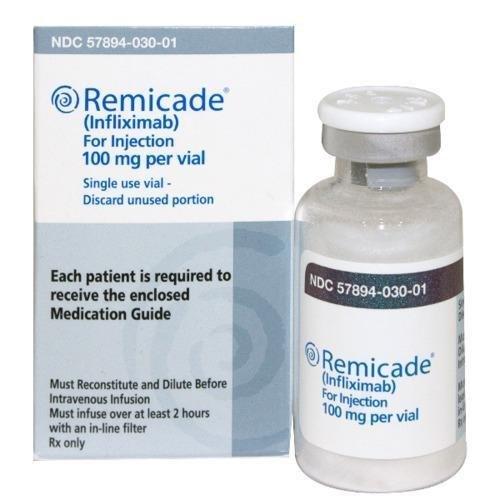
Remicade (Infliximab)
Humira (Adalimumab) - AbbVie Inc.
Humira, or adalimumab, is another anti-TNF biologic that followed Remicade. Approved in the early 2000s, Humira is administered through subcutaneous injections, offering a more convenient option for patients. Like Remicade, it targets TNF-alpha and has shown significant effectiveness in managing Crohn's disease symptoms and maintaining remission.
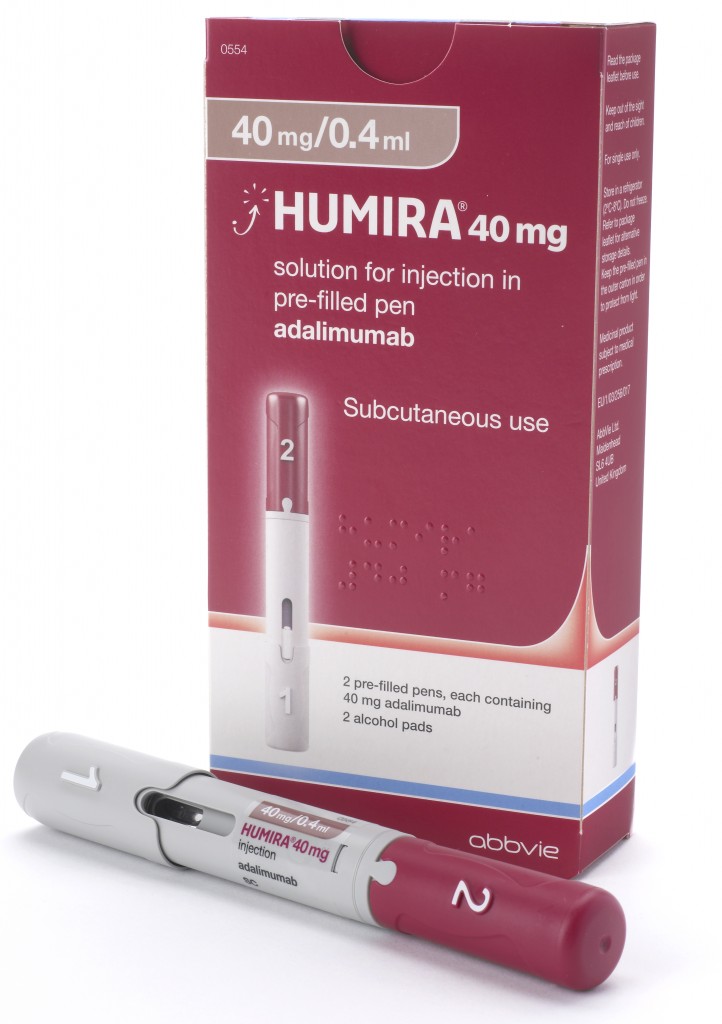
Humira (Adalimumab)
Cimzia (Certolizumab Pegol) - UCB, Inc.
Cimzia, or certolizumab pegol, is a PEGylated anti-TNF biologic approved in the late 2000s. Its unique structure allows for a longer half-life, meaning it stays in the body longer and requires less frequent dosing. Cimzia is administered via subcutaneous injection and has been effective in treating moderate to severe Crohn's disease.

Cimzia (Certolizumab Pegol)
Simponi (Golimumab) - Janssen Biotech, Inc.
Simponi, or golimumab, is another anti-TNF biologic approved for ulcerative colitis and used off-label for Crohn's disease. It is administered via subcutaneous injection and provides another option for patients who may not respond to or tolerate other anti-TNF therapies.
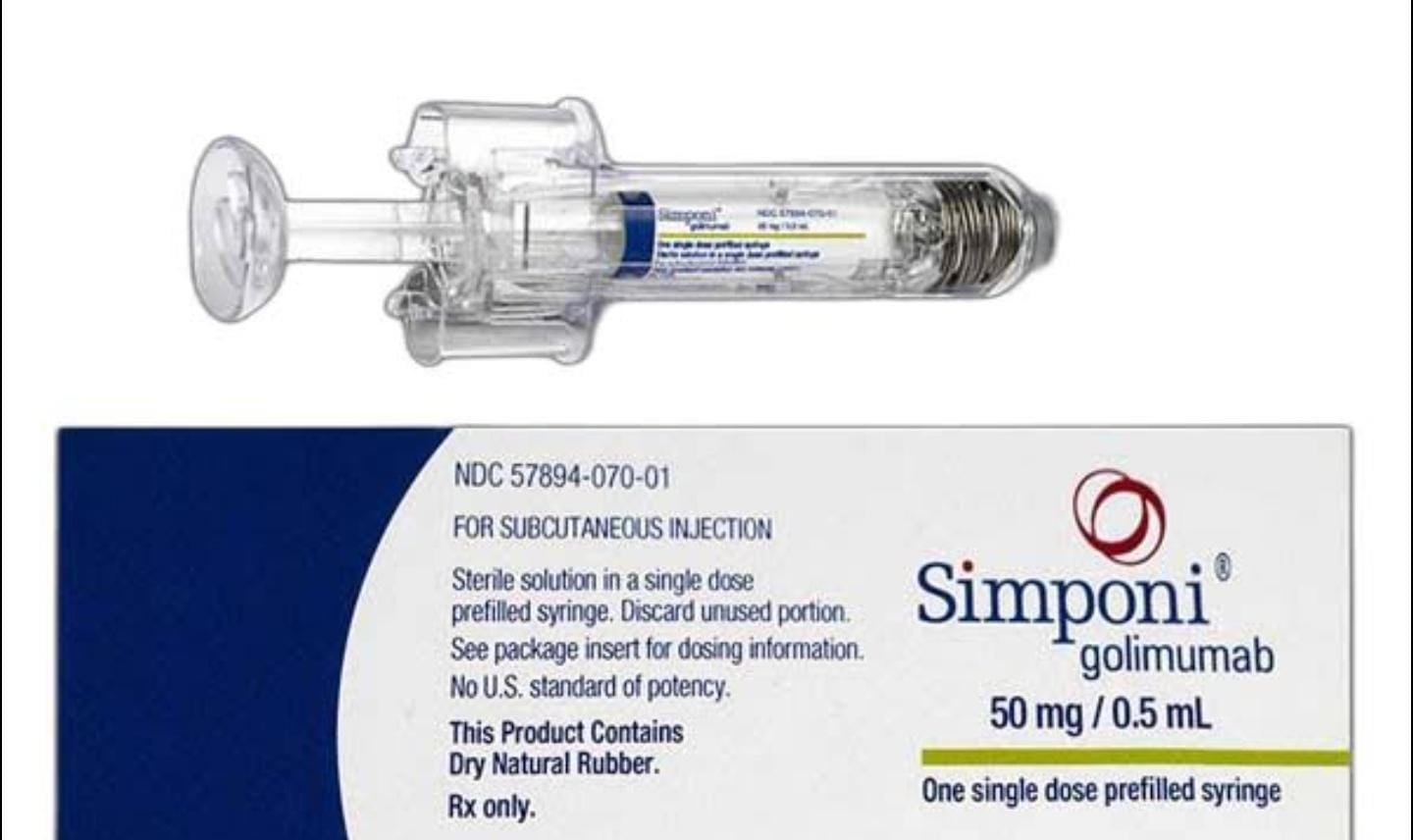
Simponi (Golimumab)
New Wave: Recent Biologic Treatments (2022-2024)
Stelara (Ustekinumab) - Janssen Biotech, Inc.
Stelara, or ustekinumab, is a newer biologic that targets interleukin-12 (IL-12) and interleukin-23 (IL-23), proteins involved in the inflammatory process. Approved for Crohn's disease in recent years, Stelara is administered initially by intravenous infusion, followed by subcutaneous injections. It has been highly effective in patients who do not respond to anti-TNF therapies, offering a new option for those with refractory disease.
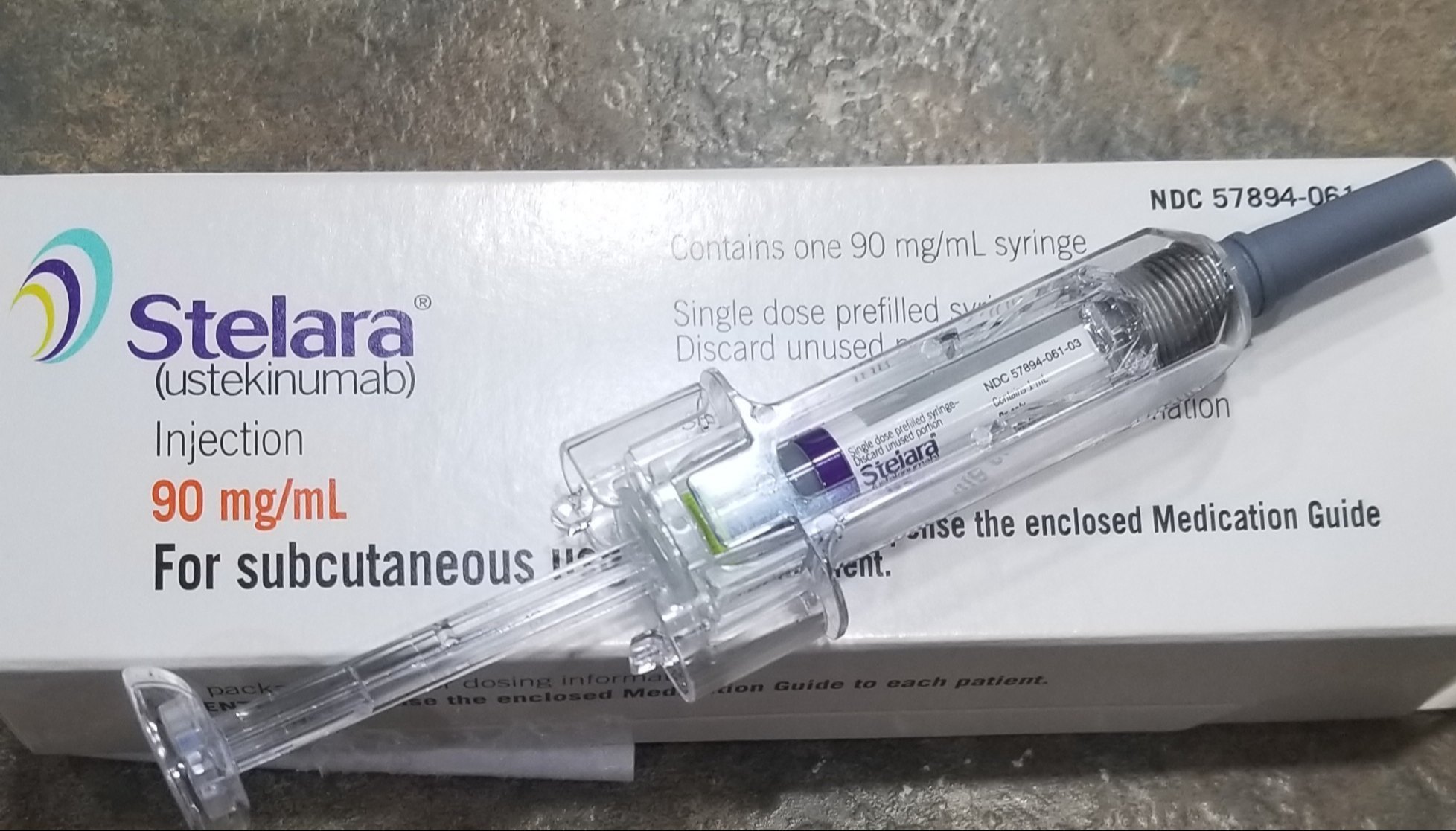
Stelara (Ustekinumab)
Entyvio (Vedolizumab) - Takeda Pharmaceuticals
Entyvio, or vedolizumab, is a biologic that targets the integrin alpha-4 beta-7, which is involved in the migration of white blood cells to the gut. Approved for Crohn's disease and ulcerative colitis, Entyvio is administered via intravenous infusion. It offers a gut-specific approach, reducing inflammation in the intestines with fewer systemic effects.
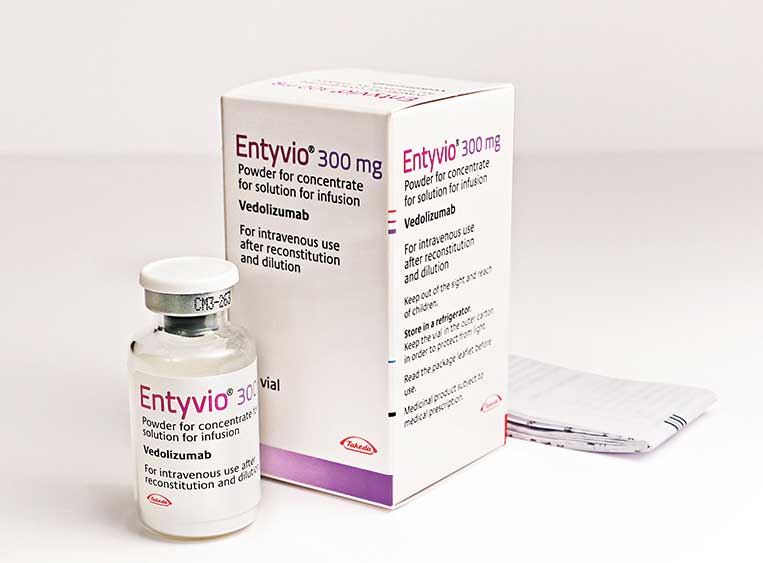
Entyvio (Vedolizumab)
Rinvoq (Upadacitinib) - AbbVie Inc.
Rinvoq, or upadacitinib, is a Janus kinase (JAK) inhibitor that has shown promise in recent clinical trials for Crohn's disease. Although not a traditional biologic, it targets specific enzymes involved in the immune response, offering a novel mechanism of action. Rinvoq is administered orally, providing a convenient alternative to injectable biologics.
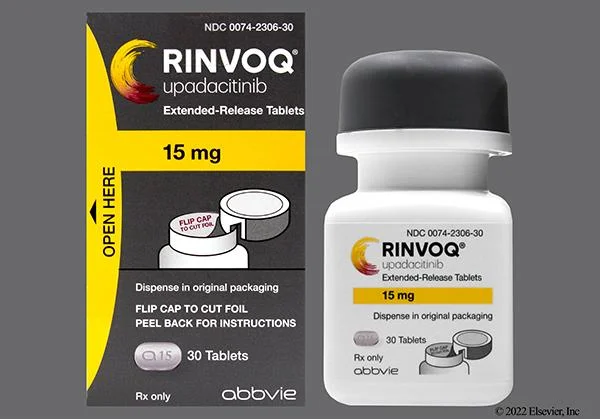
Rinvoq (Upadacitinib)
Skyrizi (Risankizumab) - AbbVie Inc.
Skyrizi, or risankizumab, is a newer IL-23 inhibitor approved for Crohn's disease in 2023. It is administered by subcutaneous injection and has shown excellent results in reducing symptoms and maintaining remission. Skyrizi represents the latest advancement in targeting specific pathways involved in the inflammatory process.
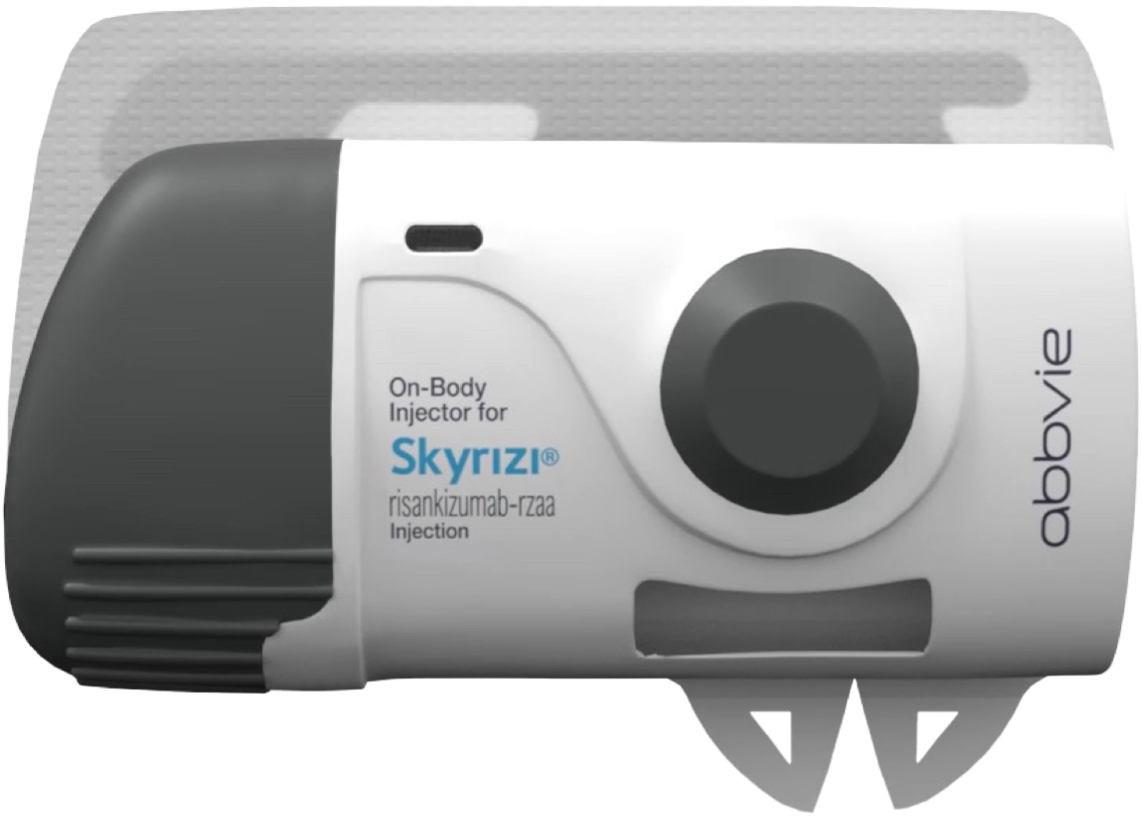
Skyrizi (Risankizumab)
Zeposia (Ozanimod) - Bristol Myers Squibb
Zeposia, or ozanimod, is an oral sphingosine-1-phosphate (S1P) receptor modulator recently approved for ulcerative colitis and currently being studied for Crohn's disease. It modulates the immune response by preventing lymphocytes from leaving lymph nodes, thereby reducing inflammation in the gut.
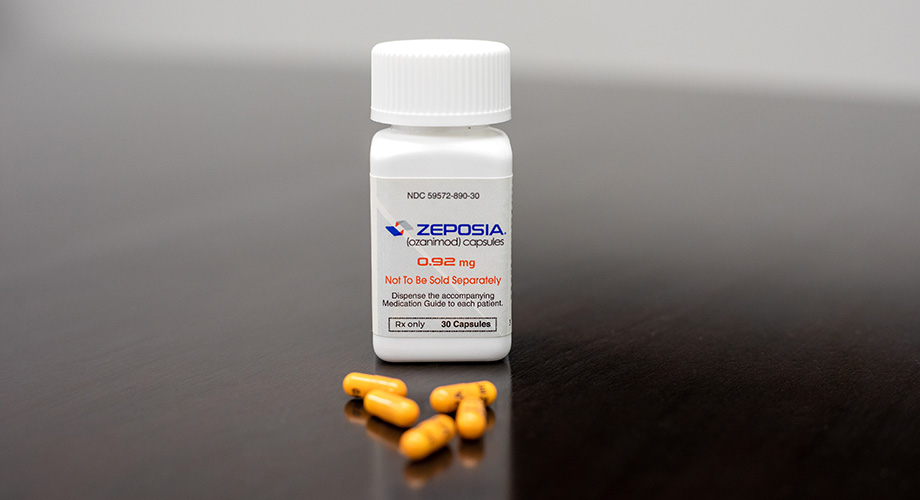
Zeposia (Ozanimod)
Omvoh (Mirikizumab) - Eli Lilly and Company
Omvoh, or mirikizumab, is a novel IL-23 inhibitor recently approved for Crohn's disease. Administered via subcutaneous injection, Omvoh has shown promising results in clinical trials by effectively reducing inflammation and maintaining remission. Its approval adds another valuable option for patients with Crohn's disease, particularly those who have not responded to other treatments.
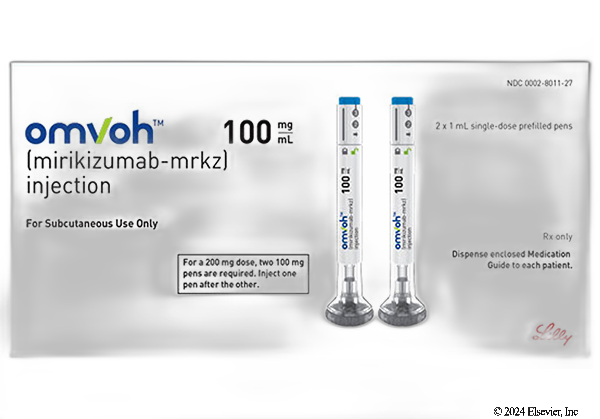
Omvoh (Mirikizumab)
The Future of Biologic Treatments
The development of biologic therapies for Crohn's disease continues to advance, with ongoing research focusing on improving efficacy, safety, and patient convenience. Future treatments may include new targets within the immune system, personalized medicine approaches based on genetic profiles, and innovative delivery methods to enhance patient adherence and outcomes. Many of these directions were on display in our recap of highlights from the 2024 Crohn's & Colitis Congress.
Conclusion
Biologic therapies have revolutionized the treatment of Crohn's disease, providing targeted and effective options for managing this challenging condition. From the pioneering treatments like Remicade to the latest advancements such as Omvoh and Skyrizi, these therapies offer hope and improved quality of life for patients. Staying informed about the latest developments and working closely with healthcare providers can help patients find the best treatment plan for their individual needs.
For more information on biologic treatments and the latest advancements in Crohn's disease care, continue to follow Crohn Zone, your trusted source for comprehensive and up-to-date information.
Disclaimer: The information provided in this article is for educational purposes only and should not be considered medical advice. Always consult with your doctor or a qualified healthcare provider before starting any new treatment or making any changes to your existing treatment plan.
Recommended Resources
Browse ResourcesRelated Articles

IBD Medications Compared: Crohn's and Colitis Treatments
All five IBD drug groups compared in plain English: 5-ASAs, steroids, immunomodulators, biologics and small molecules, how they work and what they treat.

New IBD Treatments in 2026: What Patients Should Know
Every newly approved Crohn's and colitis treatment through 2026: IL-23 inhibitors, JAK pills, S1P modulators, Zymfentra and biosimilars, explained.

Can You Stop Biologics for Crohn's Disease? A Guide
Considering stopping biologics for Crohn's disease? Real trial numbers on relapse risk, who can de-escalate safely, and how well restarting later works.

Mesalamine for Ulcerative Colitis: Doses, Forms, Side Effects
Mesalamine for ulcerative colitis explained: oral vs rectal forms, once-daily dosing evidence, kidney monitoring, side effects, generics, and when to step up.

Skyrizi Side Effects and Safety for Crohn's Disease
Skyrizi side effects in Crohn's disease: real trial rates, liver enzyme monitoring during IV induction, infection risk, pregnancy data, and what to watch.

Humira Biosimilars in 2026: Every Brand, Interchangeability, Cost
Every FDA-approved Humira biosimilar for Crohn's disease in 2026: all 10 brands, which are interchangeable, high vs low concentration, and real cost data.