
Refreshing Lemon-Mint Sorbet
This article is for informational purposes only and does not constitute medical advice. Always consult your healthcare provider before making any changes to your treatment plan.
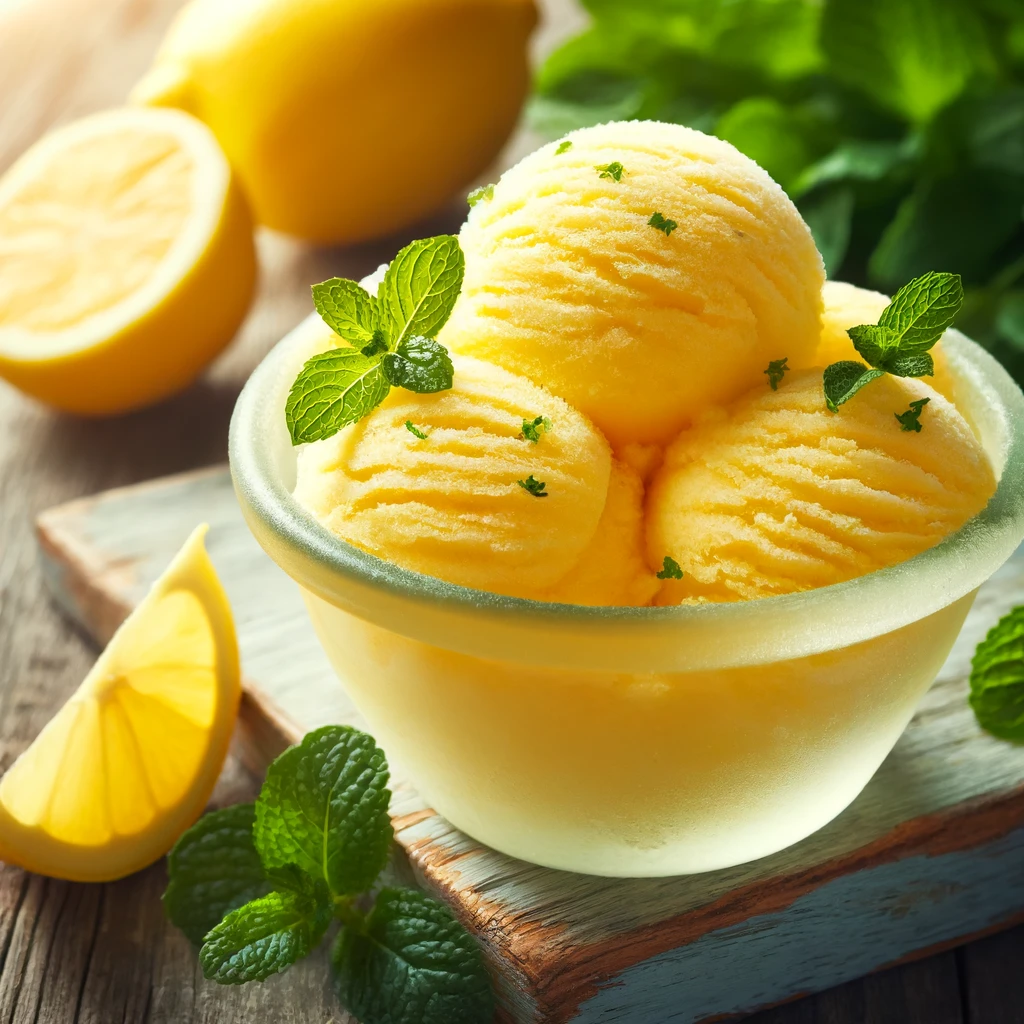
This refreshing lemon-mint sorbet is a simple frozen treat made from lemon or lime juice, fresh mint, sugar, and maple syrup, though it might not be suitable for all patients.
I've never been much of an ice cream person. I've always preferred a refreshing sorbet. This lemon-mint sorbet is my absolute favorite.
Ingredients:
- 1 cup freshly squeezed lemon/lime juice (I like to add some pulp for texture)
- A bunch of fresh mint leaves
- 5 tablespoons sugar
- 2 tablespoons maple syrup
Instructions:
-
Prepare Mint:
Separate the mint leaves from the stems and chop the leaves finely (discard the stems).
-
Dissolve Sugar:
Mix the sugar with a very small amount of boiling water (about 2 tablespoons) until dissolved.
-
Combine Ingredients:
Add the maple syrup and lemon juice to the sugar solution and mix until well combined.
-
Freeze:
Pour the mixture into a container and place it in the freezer for 24 hours.
-
Blend:
After 24 hours, take the frozen mixture out of the freezer and blend it until smooth (I use a Ninja blender).
-
Serve:
Enjoy your refreshing lemon-mint sorbet!
Note: This recipe might not be suitable for all patients.
Recommended Resources
Browse ResourcesRelated Articles
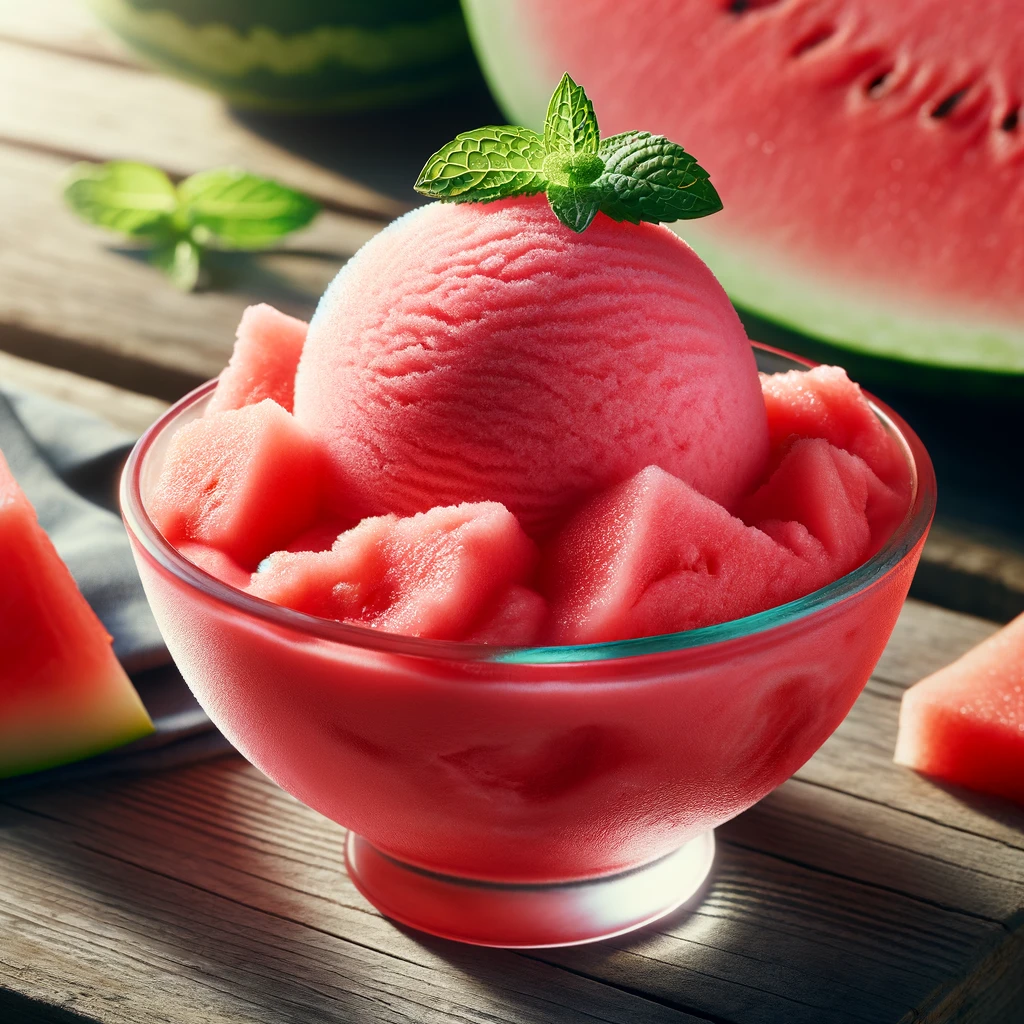
Watermelon Sorbet
On hot days, nothing is more refreshing than watermelon, and combining it with sorbet is truly out of this world. Here's the easiest recipe for a winning watermelon sorbet.


Everyday Triumphs: A Refreshing Guide to Living Well with Crohn’s Disease
Tal Eckerling’s "Everyday Triumphs" offers a refreshing, practical guide for living well with Crohn’s disease. Explore strategies for managing symptoms and improving your quality of life.

Potassium Deficiency in Crohn's Disease: A Patient Guide
Potassium deficiency in Crohn's disease: what drains your levels, why magnesium must be corrected first, and how to hit your target on a low-fiber diet.

Short Bowel Syndrome in Crohn's Disease: Diet and Fluids
Short bowel syndrome in Crohn's disease changes how you eat and drink. What guidelines say about sodium, fluids, fat, fiber and supplements after surgery.

Protein Intake With Crohn's Disease: How Much You Need
How much protein do you need with Crohn's disease? ESPEN sets 1.2 to 1.5 g/kg in a flare and about 1 g/kg in remission. A guide to protein intake with Crohn's.

IgG Food Sensitivity Tests for Crohn's: Do They Work?
Is an IgG food sensitivity test worth it for Crohn's? What the sham-controlled trial found, why allergy societies reject the panels, and what to do instead.