
The Benefits of Turmeric in Managing Crohn’s Disease

This article is for informational purposes only and does not constitute medical advice. Always consult your healthcare provider before making any changes to your treatment plan.
Turmeric and its active compound curcumin have anti-inflammatory and antioxidant properties that may serve as a complementary adjuvant approach in managing Crohn's disease, but you should consult your healthcare provider before adding it to your treatment plan.
Turmeric, particularly its active compound curcumin, has been studied for its potential benefits in managing Crohn's disease (CD). This article explores the medical insights and personal experiences regarding turmeric's effectiveness in alleviating symptoms associated with Crohn's disease.
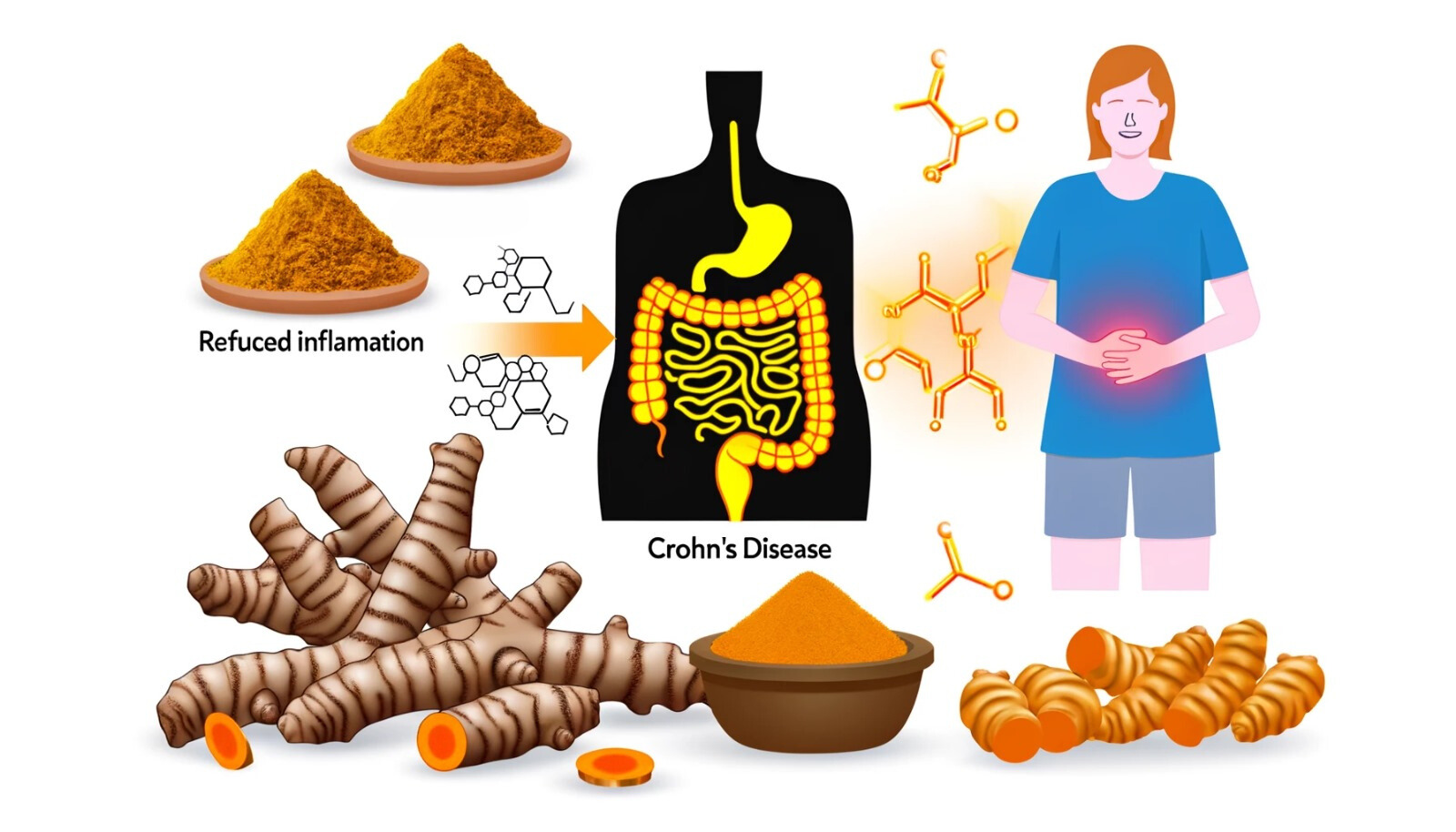
Medical Insights of turmeric
- Anti-Inflammatory Properties: Curcumin, the primary active ingredient in turmeric, has potent anti-inflammatory effects. It inhibits molecules that play a significant role in inflammation, such as nuclear factor kappa B (NF-κB) and various cytokines. These properties help reduce intestinal inflammation, a core issue in Crohn's disease.
- Antioxidant Effects: Curcumin acts as an antioxidant, neutralizing free radicals that can cause oxidative stress and damage to intestinal cells. This helps protect the mucosal lining of the intestines and reduces symptoms like pain and discomfort.
- Enhancing Gut Health: Turmeric supports a healthy gut microbiome by promoting the growth of beneficial bacteria while inhibiting harmful bacteria. This balance is crucial in managing Crohn's disease, which is often characterized by dysbiosis, or an imbalance of gut flora.
- Improved Bioavailability: One challenge with curcumin is its low bioavailability. However, advanced formulations such as curcumin nanospheres or curcumin combined with piperine (black pepper extract) have shown improved absorption and effectiveness. Studies have demonstrated that these formulations can significantly reduce disease activity and improve patient outcomes.
- Clinical Evidence: Clinical trials and meta-analyses have shown that curcumin can be an effective adjuvant therapy for Crohn's disease. Patients who took curcumin supplements along with standard treatments reported reduced symptoms and improved quality of life.
Personal Experiences
Many patients with Crohn's disease have reported positive experiences using turmeric as part of their treatment regimen. Here are some anecdotal insights from those who have tried turmeric:
- Symptom Relief: Patients have noted a reduction in symptoms such as abdominal pain, bloating, and diarrhea. For some, turmeric has helped in achieving and maintaining remission when used alongside conventional therapies.
- Holistic Benefits: Beyond symptom relief, users appreciate turmeric for its overall health benefits, including improved digestion and enhanced energy levels.
- Ease of Use: Turmeric is available in various forms, including capsules, powders, and teas, making it easy to incorporate into daily routines. Some patients prefer turmeric supplements that include piperine to enhance absorption.
Conclusion
Turmeric, with its powerful anti-inflammatory and antioxidant properties, offers a promising complementary approach to managing Crohn's disease. While scientific evidence supports its benefits, particularly when used in bioavailable forms, personal experiences also highlight its potential to improve the quality of life for many patients. As always, it is essential to consult with a healthcare provider before adding any new supplement to your treatment plan.
References
- Turmeric for Health, "Curcumin in Turmeric: Benefits for Crohn’s Disease." https://www.turmericforhealth.com
- Burnalong, "Turmeric Benefits for Crohn’s Disease." https://www.burnalong.com
- Tesseract, "Turmeric and Crohn’s Disease: Examining the Potential Benefits of Supplementation." https://insights.tessmed.com/turmeric-and-crohns-disease-examining-the-potential-benefits-of-supplementation/
- Systematic Reviews, "Efficacy of turmeric in the treatment of digestive disorders: a systematic review and meta-analysis protocol." https://systematicreviewsjournal.biomedcentral.com/articles/10.1186/2046-4053-3-71
- academic.oup.com, "Highly Bioavailable Curcumin Derivative Ameliorates Crohn’s Disease." https://academic.oup.com/ecco-jcc/article/14/12/1693/5837560
Recommended Resources
Browse ResourcesRelated Articles

Bioengineered Foods and Crohn’s Disease: Potential Risks and Benefits
Explore how bioengineered foods impact Crohn’s disease. Learn about potential risks, benefits, and what this innovation means for gut health.

Shilajit and Crohn's Disease: Exploring the Potential Benefits
Discover how Shilajit might support Crohn's disease management by reducing inflammation, enhancing nutrient absorption, and balancing the gut microbiome.

Ginger Benefits in Managing Crohn's Disease: A Holistic Approach
What ginger's anti-inflammatory and antioxidant effects may mean for Crohn's symptoms, how people use it, and why to check with your doctor first.

SSDI for Crohn's Disease: A Guide to Disability Benefits
Applying for SSDI with Crohn's disease? A patient guide to Blue Book listing 5.06 criteria, medical evidence, and steps to build a strong disability claim.

Maximizing Patient Outcomes: Integrating Gastroenterology and Dermatology for IBD Care
Discover the powerful impact of integrating gastroenterology and dermatology for IBD patients. Learn how collaboration leads to better care and outcomes.

Potassium Deficiency in Crohn's Disease: A Patient Guide
Potassium deficiency in Crohn's disease: what drains your levels, why magnesium must be corrected first, and how to hit your target on a low-fiber diet.