
Watermelon Sorbet
This article is for informational purposes only and does not constitute medical advice. Always consult your healthcare provider before making any changes to your treatment plan.
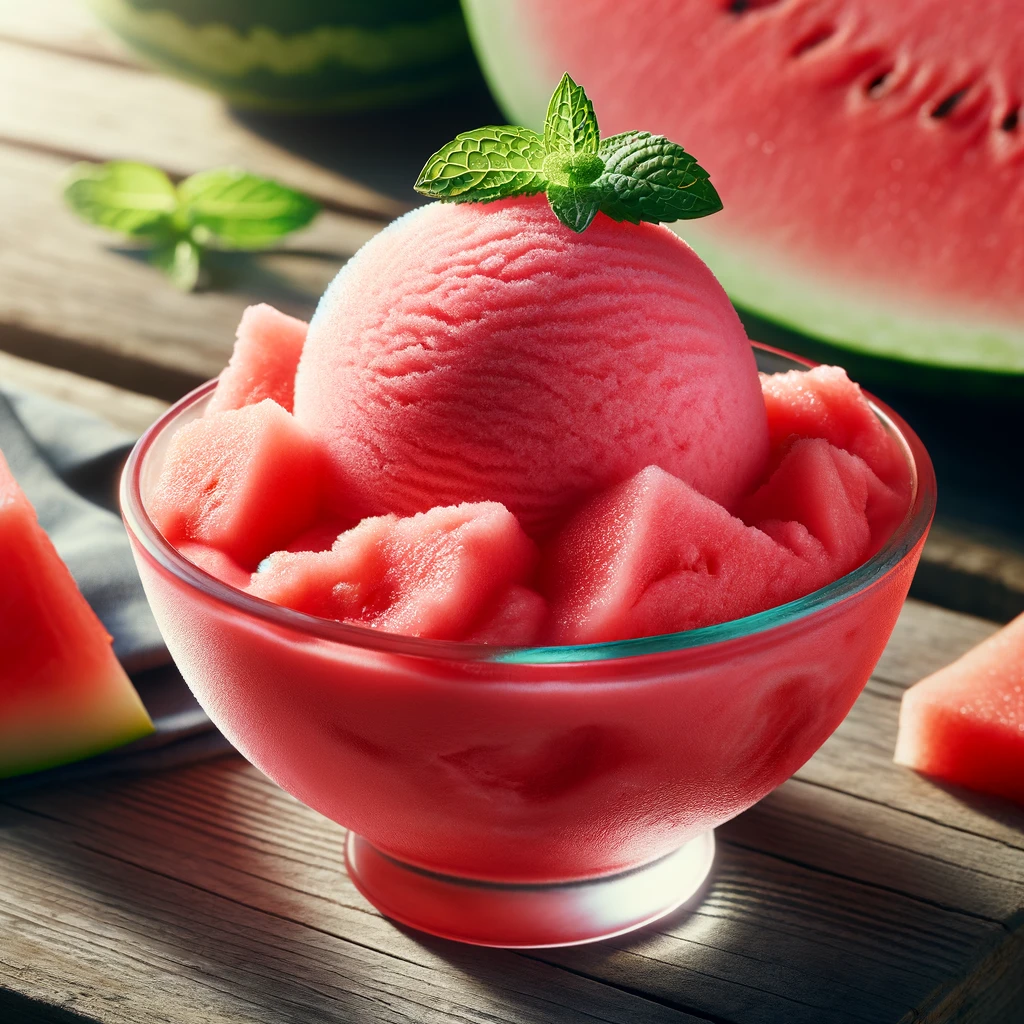
This easy watermelon sorbet is a refreshing frozen treat made from watermelon juice, sugar, lemon, and optional mint, but note this recipe is not suitable for people with inflammatory bowel disease (IBD).
On hot days, nothing is more refreshing than watermelon, and combining it with sorbet is truly out of this world. Here's the easiest recipe for a winning watermelon sorbet.
Note: This recipe is not suitable for people with inflammatory bowel disease (IBD).
Ingredients:
- 2 cups fresh watermelon juice (about 0.5 kg of watermelon)
- 2 tablespoons sugar
- Juice of half a lemon
- Optional: fresh mint leaves (adds a great touch but not necessary)
Instructions:
-
Prepare Mint:
Separate the mint leaves from the stems and chop the leaves finely (discard the stems).
-
Dissolve Sugar:
Mix the sugar with a very small amount of boiling water (about 1 tablespoon) until dissolved.
-
Combine Ingredients:
Add the lemon juice, watermelon juice, and chopped mint (if using) to the sugar solution and mix until well combined.
-
Freeze:
Pour the mixture into a container and place it in the freezer for 24 hours.
-
Blend:
After 24 hours, take the frozen mixture out of the freezer and blend it until smooth (I use a Ninja blender).
-
Serve:
Enjoy your refreshing watermelon sorbet!
Note: This recipe might not be suitable for all patients.
Recommended Resources
Browse ResourcesRelated Articles
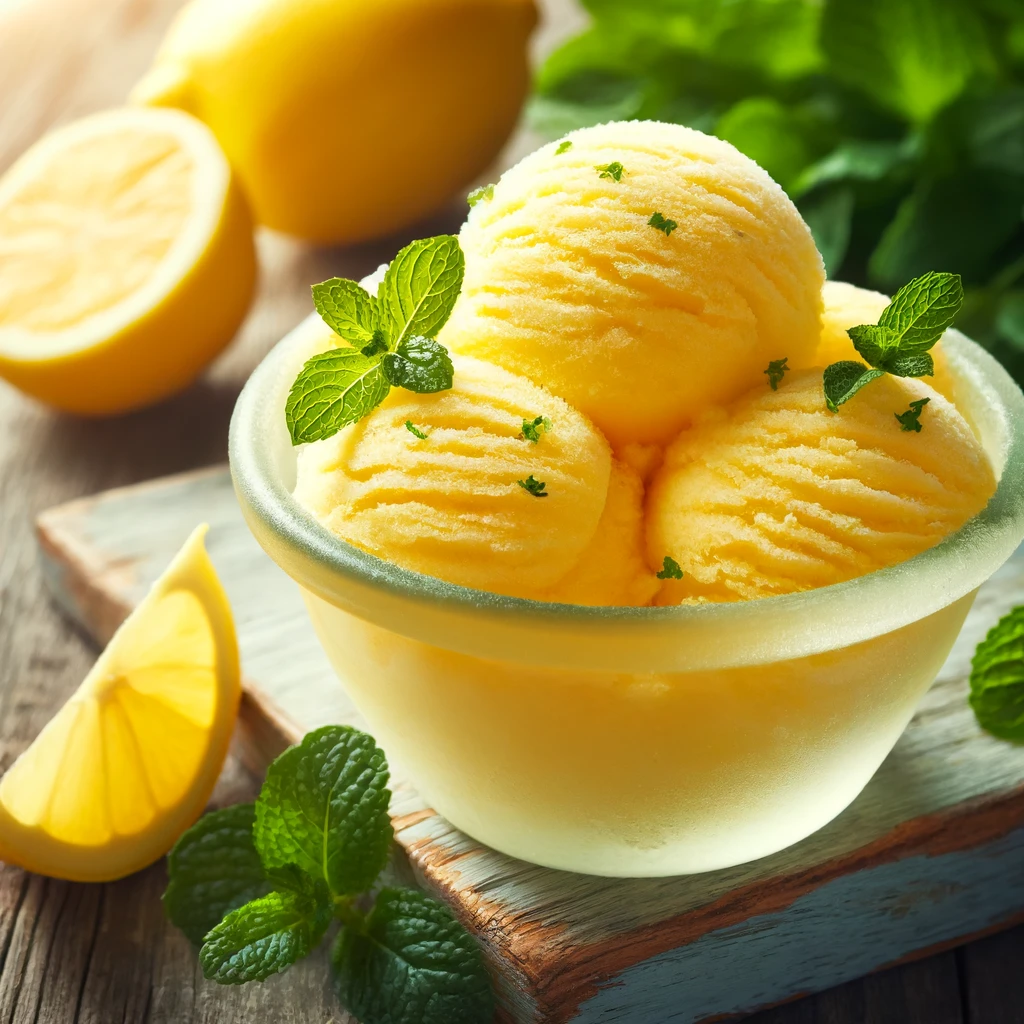
Refreshing Lemon-Mint Sorbet
I've never been much of an ice cream person. I've always preferred a refreshing sorbet. This lemon-mint sorbet is my absolute favorite.


Low-Fiber Diet for Crohn's Disease: Who Actually Needs It
A low fiber diet for Crohn's disease has a real but narrow role. Research links routine fiber avoidance to more flares, not fewer. Here is the evidence.

Gluten-Free Diet for Crohn's Disease: What Evidence Shows
Is a gluten free diet for Crohn's disease worth trying? Here is what the research shows on celiac risk, gluten sensitivity, fructans, and who benefits.

Lactose Intolerance in Crohn's Disease: Should You Quit Dairy?
Lactose intolerance in Crohn's disease is real but often overestimated. What the evidence says about dairy, testing, symptoms, and protecting your bones.

Psyllium Fiber for Crohn's Disease: What Research Shows
Is psyllium safe with Crohn's? What the research shows about soluble fiber, the benefits, correct dosing, and when strictures make it a bad idea.

Kefir for Crohn's Disease: What Research Really Shows
Can kefir help Crohn's disease? What human trials and microbiome studies show, how it compares to yogurt, how to try it safely, and when to skip it.