
Loneliness and Crohn's Disease: A Hidden Health Risk

This article is for informational purposes only and does not constitute medical advice. Always consult your healthcare provider before making any changes to your treatment plan.
Loneliness and social isolation are linked to greater Crohn's disease activity, more hospitalizations, and higher mortality, so connection may be disease-modifying and even small steps count (1).
When was the last time you canceled plans because you were too exhausted, too worried about finding a bathroom, or just too drained to explain why you could not eat anything on the menu? If you live with Crohn's disease, that question probably hits close to home. Loneliness and Crohn's disease are deeply intertwined, and emerging research suggests that social disconnection is not just an emotional burden - it may be a genuine health risk, linked to greater disease activity, more hospitalizations, and even higher mortality.
Key Takeaways
- A 2024 review of 18 studies found loneliness in IBD is linked to greater disease activity, more depressive symptoms, higher stigma, and poorer quality of life (1)
- The most socially isolated participants in a UK Biobank study had a 34% higher risk of developing Crohn's disease over 13 years (2)
- Socially isolated Crohn's patients face a 2.75-fold higher mortality risk compared with non-isolated, non-IBD adults (3)
- Healthy lifestyle behaviors - no smoking, regular activity, adequate sleep - substantially reduced the elevated IBD risk tied to isolation (2)
- Connection is not just emotional support; it may be disease-modifying, and even small, low-energy steps count
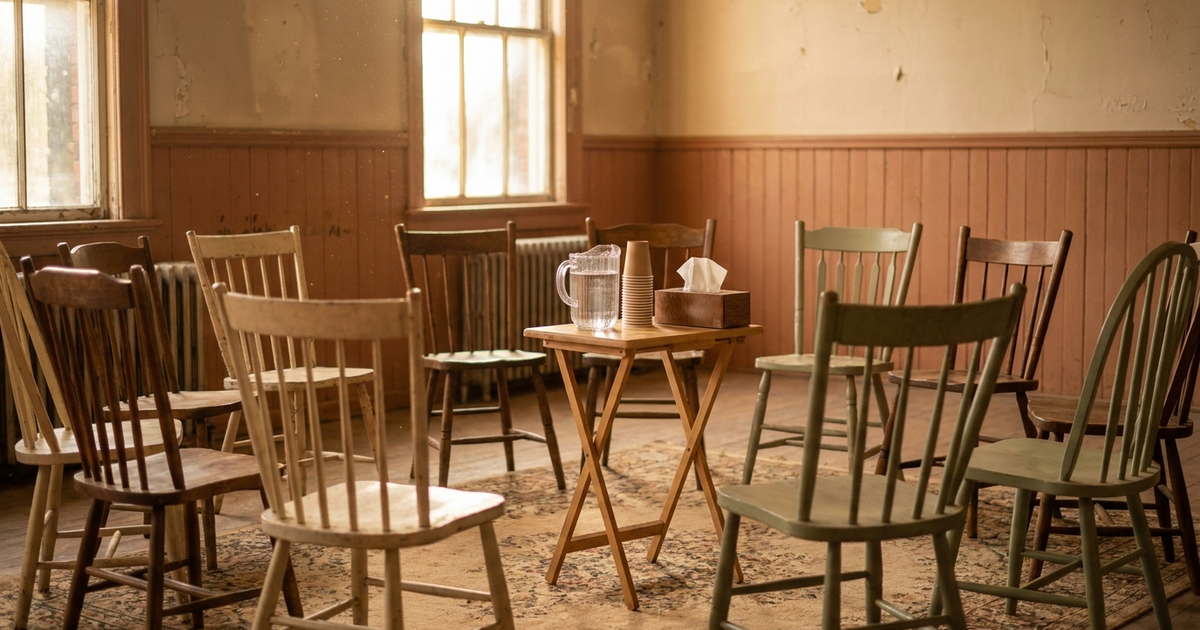
The Hidden Loneliness Crisis in Crohn's Disease
Loneliness is the subjective feeling that your social connections are inadequate, while social isolation is the objective lack of contact with others. They overlap but they are not the same - you can feel profoundly lonely in a crowded room, or feel content with very few relationships. For people living with Crohn's, both tend to show up at the same time, and for reasons that go far beyond personality.
Why Isolation Hits IBD Patients Harder
Many of us in the Crohn's community know the drill: urgency that makes leaving the house feel risky, fatigue that wipes out an entire weekend, dietary restrictions that make shared meals awkward, and the unpredictable timing of flares that can torpedo any plan you make. Bathroom anxiety alone can be enough to keep someone home for weeks. Add stigma around a condition most people do not understand, and it is no surprise that the social world starts to shrink.
Disease-Specific Drivers of Social Withdrawal
The vicious cycle is cruel in its simplicity. Symptoms push you to cancel plans, and canceling plans deepens the isolation, which raises stress and inflammation, which worsens symptoms. The COVID-19 pandemic intensified this pattern for IBD patients, who already faced higher baseline isolation and were often advised to shield due to immunosuppressive therapies (1). As we explored in our article on the challenges of living with Crohn's disease, the emotional toll of the condition is inseparable from the physical reality.
What Research Reveals About Loneliness and IBD Outcomes
The evidence that social disconnection harms IBD patients is no longer anecdotal. Multiple large studies now tie loneliness and isolation to measurable, serious consequences for people with inflammatory bowel disease.
Loneliness, Disease Activity, and Quality of Life
A 2024 narrative review published in Annals of Behavioral Medicine analyzed 18 studies on loneliness and social isolation in IBD (1). The findings were consistent: loneliness was linked to greater disease activity, higher levels of IBD-related stigma, more depressive symptoms, greater daily symptom burden, reduced psychological resilience, and lower overall quality of life. Social isolation was also associated with higher rates of IBD hospitalization, premature mortality, and depression across the reviewed evidence.
Social Isolation and the Risk of Developing IBD
A 2025 analysis from the UK Biobank followed 429,843 participants over a median of 13.3 years (2). The most socially isolated individuals had a 28% higher risk of developing IBD overall (hazard ratio 1.28) and a 34% higher risk of developing Crohn's disease specifically (hazard ratio 1.34). These associations held even after adjusting for age, sex, socioeconomic status, and lifestyle factors. Critically, healthy lifestyle behaviors - not smoking, staying physically active, maintaining a healthy body weight, and getting adequate sleep - substantially reduced the elevated IBD risk linked to social isolation.
Mortality Risk in Socially Isolated Patients
A 2022 longitudinal study of 486,014 UK Biobank participants took the question further, examining mortality outcomes (3). Socially isolated individuals with Crohn's disease had a 2.75-fold higher mortality risk compared with non-isolated, non-IBD adults. Even when comparing IBD patients alone, social isolation increased the risk of death by 69% overall and by 106% for those with Crohn's disease specifically. These are not subtle signals - they suggest that social connection may be as clinically relevant as medication adherence.
Why the Gut-Brain Connection Makes Loneliness Worse
The biological link between loneliness and Crohn's disease runs through the gut-brain axis, and understanding it helps explain why isolation is more than a quality-of-life issue.
How Chronic Loneliness Affects Inflammation
Chronic loneliness activates the body's threat-detection system. When you feel persistently disconnected, your nervous system shifts toward a pro-inflammatory state, raising cortisol levels and increasing the production of cytokines that directly contribute to intestinal inflammation. For someone with Crohn's, this is like pouring fuel on a fire that is already burning.
The Role of Stress Hormones and the Immune System
Sustained isolation also alters immune function in ways that may influence the gut microbiome. Sleep disruption, which often accompanies the anxiety of being alone with a chronic illness, compounds the inflammatory cascade. And patients with active disease tend to report stronger feelings of stigma and isolation, tightening the cycle further. The experiences that drive social withdrawal - the medical trauma, the embarrassment, the exhaustion - are often the very ones that need social support the most.

Practical Ways to Build Connection With Crohn's Disease
Knowing that loneliness is harmful is one thing. Doing something about it when you are in the middle of a flare, wiped out from medication side effects, or simply too tired to leave the house is another. The key is starting small and choosing strategies that work within your energy limits, not against them.
Online IBD Communities That Actually Help
For many of us, online communities were the first place where we felt truly understood. The Crohn's & Colitis Foundation offers peer-matching programs like Power of Two, which pairs newly diagnosed patients with experienced mentors (4). Bezzy IBD provides a moderated community space where you can connect with others who get it without having to explain the basics (5). Reddit communities like r/CrohnsDisease and r/IBD offer unfiltered peer support around the clock. As we discussed in our article on the importance of a support group in managing Crohn's disease, the right community can change everything.
In-Person Support Groups and How to Find One
If you prefer face-to-face connection, the Crohn's & Colitis Foundation runs patient education chapters across the United States that host local events and support groups (4). In Europe, organizations like Crohn's and Colitis UK, the European Federation of Crohn's and Ulcerative Colitis Associations, and country-specific patient groups offer similar resources. Ask your gastroenterologist's office whether they know of any local groups - sometimes the best options are informal gatherings that are not widely advertised.
Reaching Out to Family and Friends
One of the hardest parts of living with Crohn's is explaining it to people who cannot see it. A few approaches that many in our community have found helpful: share a simple, honest script - "I have a condition that causes unpredictable flares, and sometimes I need to cancel plans last minute. It is not personal, and I still want to be invited." Let people know what helps (flexibility, low-pressure hangouts) and what does not (unsolicited diet advice, pity). Even on flare days, low-energy options like voice notes, group texts, or a short video call can keep the thread of connection alive. And for those days when even leaving the couch feels impossible, a pet can provide remarkable companionship without any social demands.
When Loneliness Becomes Depression: Knowing When to Seek Help
Loneliness is painful, but it is not the same as clinical depression. Recognizing when one has crossed into the other is important, because depression requires professional treatment.
Warning Signs to Watch For
Pay attention if you notice persistent low mood lasting more than two weeks, loss of interest in things you used to enjoy, feelings of hopelessness or worthlessness, significant changes in sleep or appetite, or thoughts that others would be better off without you. These are signals that go beyond ordinary loneliness and deserve clinical attention.
GI Psychology and Behavioral Health for IBD
A growing number of gastroenterology practices now offer integrated behavioral health, including GI psychologists who specialize in the unique challenges of chronic digestive illness. Cognitive behavioral therapy adapted for IBD has shown real benefits for reducing both psychological distress and disease-related impairment. Ask your gastroenterologist for a referral - many patients do not realize this option exists. If you are in acute distress, the 988 Suicide and Crisis Lifeline (call or text 988 in the US) provides immediate support. Internationally, the International Association for Suicide Prevention maintains a directory of crisis centers at https://www.iasp.info/resources/Crisis_Centres/.
Building Your Personal Connection Plan
You do not need to overhaul your social life overnight. What helps most is consistency - small, sustainable steps that compound over time.
Small, Sustainable Steps That Compound
Consider a simple weekly target: one interaction with an IBD community (even just reading and reacting to a post), one reach-out to a friend or family member (a text counts), and one self-compassion practice (journaling, a guided meditation, or simply acknowledging that living with this disease is hard). Setting boundaries is equally important - saying yes to a short coffee but no to a full dinner party protects your energy without cutting you off entirely.
Selective disclosure can also reduce shame. You do not owe anyone your full medical history, but many people in our community find that telling even one or two trusted people the truth about their condition lifts a weight they did not realize they were carrying. Finally, consider tracking your mood and social interactions alongside your symptoms. Patterns often emerge - and those patterns can help you and your care team make better decisions.
Frequently Asked Questions
Does loneliness actually make Crohn's disease worse?
Research strongly suggests it does. A 2024 review of 18 studies found that loneliness is linked to greater disease activity, more depressive symptoms, and poorer quality of life in IBD patients (1). Chronic loneliness activates the body's stress response, raising cortisol and pro-inflammatory cytokines that can directly worsen intestinal inflammation.
Can social isolation increase the risk of developing Crohn's disease?
A 2025 UK Biobank analysis of 429,843 participants found that the most socially isolated individuals had a 34% higher risk of developing Crohn's disease over a median follow-up of 13.3 years (2). While isolation is unlikely to be a sole cause, it appears to be a meaningful contributing factor.
What is the difference between loneliness and social isolation?
Loneliness is the subjective feeling that your social connections are inadequate - you can feel lonely even when surrounded by people. Social isolation is the objective lack of social contact. Both are common in Crohn's disease and both carry health risks, but they require slightly different strategies to address (1).
How can I stay connected during a Crohn's flare?
Low-energy connection options are key during flares. Voice notes, group texts, short video calls, and engaging with online IBD communities like Bezzy IBD or Reddit's r/CrohnsDisease can maintain social bonds without requiring you to leave home (5). Even brief interactions help break the cycle of withdrawal.
Should I tell my friends about my Crohn's disease?
Selective disclosure - telling trusted people on your own terms - often reduces shame and makes social situations easier. You do not need to share every detail. A simple, honest explanation of why you sometimes cancel plans and what kind of support helps can strengthen relationships significantly.
When should I seek professional help for loneliness or depression?
If you experience persistent low mood, loss of interest, hopelessness, or sleep changes lasting more than two weeks, it is time to talk to a professional. Ask your gastroenterologist for a referral to a GI psychologist or integrated behavioral health specialist. In a crisis, contact the 988 Suicide and Crisis Lifeline (US) or your country's crisis service.
Can a healthy lifestyle reduce the health risks of social isolation?
Yes. The 2025 UK Biobank study found that adhering to healthy lifestyle behaviors - not smoking, regular physical activity, maintaining a healthy body weight, and adequate sleep - substantially lowered the elevated IBD risk associated with social isolation (2). Lifestyle changes do not replace social connection, but they offer meaningful protection.
References
- Ross EJ, Shanahan ML, Joseph E, Reynolds JM, Jimenez DE, Abreu MT, Carrico AW. The Relationship Between Loneliness, Social Isolation, and Inflammatory Bowel Disease: A Narrative Review. Annals of Behavioral Medicine, 2024. Read study
- Chang L, Zhang J, Xu M, et al. Impact of Social Isolation on Inflammatory Bowel Disease Risk and the Mitigating Effect of a Healthy Lifestyle. International Journal of Behavioral Medicine, 2025. Read study
- Chen J, Geng J, Wang J, et al. Associations between inflammatory bowel disease, social isolation, and mortality: evidence from a longitudinal cohort study. Therapeutic Advances in Gastroenterology, 2022. Read study
- Crohn's & Colitis Foundation. Mental Health Resources. 2025. Read article
- Bezzy IBD. Online Community for People with IBD. 2025. Visit community
Recommended Resources
Browse ResourcesRelated Articles

Suicide Risk in Crohn's Disease: What Patients Should Know
Suicide risk in Crohn's disease is real but preventable. Learn the evidence, warning signs, protective steps, and how to reach 988 for free 24/7 crisis support.

Crohn's Disease and Sexual Health: What Patients Need to Know
Up to 58% of Crohn's patients experience sexual dysfunction. Learn how IBD affects intimacy and discover practical, evidence-based tips for your sex life.

Crohn's Disease and Daily Life: Real-World Impact on Work, Social Life, and Routine
How Crohn's disease affects work, relationships, and daily routines. Practical strategies from our community for managing real-world challenges with IBD.

The Emotional Side of Crohn's: Managing Anxiety, Depression, and Mental Health
The emotional toll of Crohn's disease is real. Learn about anxiety, depression, and mental health strategies that support IBD patients long-term.

Sleep and IBD: Why Quality Rest Matters for Bowel Health
Struggling with IBD? Discover how sleep could be your secret weapon. Learn why rest matters for IBD and get 5 easy tips for better sleep tonight. Ready to transform your health?

Blood Clots and Crohn's Disease: A Patient Safety Guide
Blood clots and Crohn's disease are closely linked. Find out when your clot risk peaks, the warning signs to watch for, and how prevention actually works.