
Green clay - A Secret for Radiant Skin
This article is for informational purposes only and does not constitute medical advice. Always consult your healthcare provider before making any changes to your treatment plan.
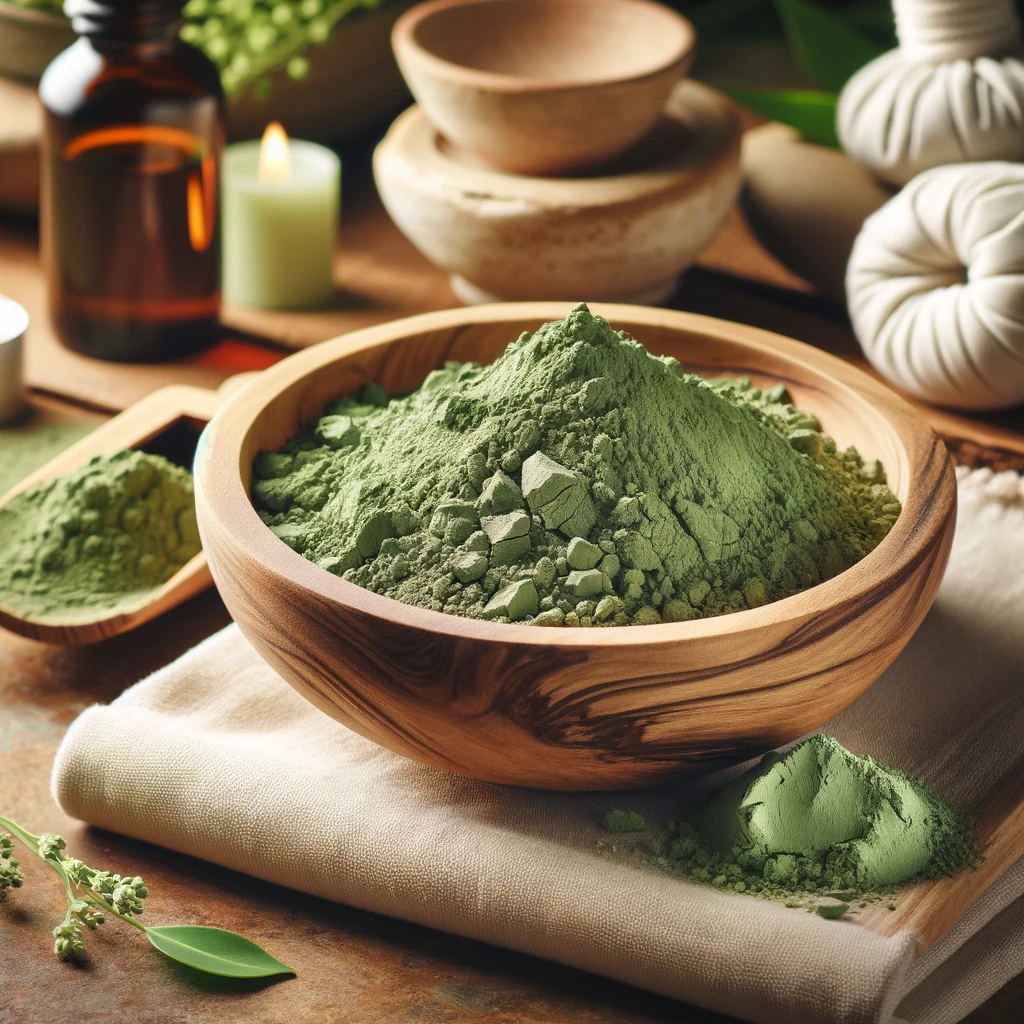
Green clay is a mineral-rich compound used in complementary medicine for detoxification and purification, both externally on the skin and internally.
Green clay is a compound rich in essential minerals, iron oxide, and decomposed plants, including various types of seaweed. The clay’s actual green color indicates its high quality and beneficial properties. Widely used in complementary medicine, green clay serves both internal and external purposes, primarily for detoxification and purification.
The Benefits of Green Clay
The smooth, soothing texture of green clay, when mixed with water, helps to calm and heal various ailments such as cuts, scrapes, minor injuries, sprains, mild burns, and insect bites. Here’s how you can make the most of green clay:
For External Use
- Pain Relief and Healing: Prepare a warm poultice with green clay and apply it to the affected area. The warmth alleviates pain while the minerals in the clay are absorbed into the body, promoting healing.
- Deep Cleansing: Green clay’s cleansing and disinfecting properties are so strong that they can purify metals from sewage water. Similarly, it detoxifies the stomach and digestive system when used internally and cleanses the skin and hair when used externally.
For Internal Use
- Detoxification: Drinking a glass of water mixed with green clay can replenish essential minerals in the body while purging it of toxins such as heavy metals, free radicals, and environmental pollutants.
Suitable for All Skin Types
Green clay is natural and highly absorbent, making it suitable for all skin types. Its benefits include:
- Skin Cell Renewal: Promotes the renewal of skin cells, leaving the skin looking refreshed.
- Anti-Inflammatory: Reduces inflammation and encourages the healing of wounds.
- Moisture Absorption: Absorbs excess fluids, making it an excellent ingredient for face masks, scalp treatments, and body wraps.
How to Use Green Clay for a Face Mask
- Preparation: In a bowl, mix 2 tablespoons of green clay with cold water. Let the mixture sit for 10 minutes in the refrigerator to allow the clay to settle at the bottom.
- Application: Apply a thin layer of the clay mixture to your face. Wait for it to dry and harden, which usually takes about 15-20 minutes.
- Removal: Rinse off the mask with warm water.
After using the mask, your skin will feel tight and radiant. To complete the process, apply serum and face cream for optimal results.
By incorporating green clay into your skincare routine, you can enjoy its powerful detoxifying and healing benefits, achieving healthier and more radiant skin.
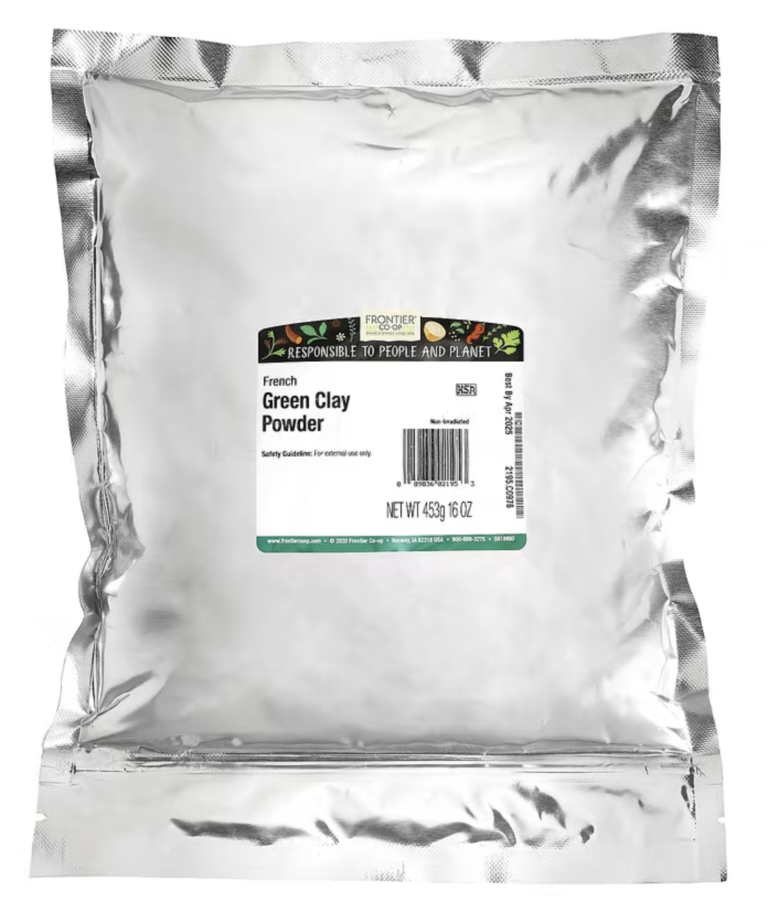
Buy Now: Green Clay Powder
Recommended Resources
Browse ResourcesRelated Articles

Health Insurance for Crohn's Disease: How to Choose a Plan
Choosing health insurance for Crohn's disease means looking past the premium. How to check formularies, out-of-pocket caps, copay accumulators and networks.

VA Disability Rating for Crohn's Disease: A Veteran's Guide
The VA disability rating for Crohn's disease now runs under code 7326. How the four levels work, why your treatment sets the percentage, and what counts.

Crohn's Emergency Room Visits: When to Go, What to Expect
A Crohn's emergency room visit is likely at some point. Learn the red flags, what to bring, why CT scans are so common, and how to speak up for yourself.

Prior Authorization for Crohn's Disease: An Appeals Guide
Prior authorization for Crohn's disease delays biologics and tests. Learn how denials work, what the 2026 CMS rule changes, and how to win your appeal.

Religious Fasting With Crohn's Disease: A Safety Guide
Religious fasting with Crohn's disease: what Ramadan and Yom Kippur research shows about flare risk, medication timing, and knowing when to break a fast.

Suicide Risk in Crohn's Disease: What Patients Should Know
Suicide risk in Crohn's disease is real but preventable. Learn the evidence, warning signs, protective steps, and how to reach 988 for free 24/7 crisis support.