
Rinvoq (Upadacitinib) for Crohn's Disease: A Patient Guide

This article is for informational purposes only and does not constitute medical advice. Always consult your healthcare provider before making any changes to your treatment plan.
Rinvoq (upadacitinib) is a once-daily oral JAK inhibitor approved for adults with moderately to severely active Crohn's disease who did not respond well to, or could not tolerate, other treatments, and in clinical trials it helped a meaningful share of patients reach remission and heal the lining of the gut. (1)
Key Takeaways
- Rinvoq is a pill, not an infusion or injection, taken once daily. It belongs to a class called JAK inhibitors and works by calming an overactive immune signaling pathway inside cells. (1)
- In the U-EXCEL induction trial, 49.5% of patients on 45 mg Rinvoq reached clinical remission at week 12, compared with 29.1% on placebo. (2)
- In the U-ENDURE maintenance trial, 37.3% of patients on 15 mg and 47.6% on 30 mg stayed in clinical remission at one year, compared with 15.1% on placebo. (2)
- Rinvoq carries the FDA's strongest safety alert, a Boxed Warning, for serious infections, cancer (malignancy), major cardiovascular events, blood clots, and death. (1)
- Rinvoq is generally used after other Crohn's therapies, such as TNF blockers, have failed or were not tolerated. (1, 5)

How Rinvoq Works
Crohn's disease is driven by an immune system that attacks the digestive tract, fueled in part by chemical messengers called cytokines. Many of these messengers send their signals into immune cells through enzymes called Janus kinases, or JAKs.
Rinvoq is an oral, JAK1-preferential inhibitor. In plain terms, it slips inside cells and blocks the JAK signaling step, dialing down the inflammatory messages before they can ramp up. Because it works inside the cell rather than binding a single protein in the bloodstream, it can be taken as a pill rather than an infusion or injection. (1, 4)
This is a different approach from biologics like infliximab or ustekinumab, which are large antibody proteins given by IV or injection. The convenience of a daily tablet is one of Rinvoq's main appeals, but the trade-off is a safety profile that requires careful monitoring, discussed below.
What the Trials Showed
Rinvoq's approval for Crohn's disease rests on a large phase 3 program with three trials: two induction studies (U-EXCEL and U-EXCEED) and one maintenance study (U-ENDURE). All enrolled adults with moderately to severely active Crohn's who had an inadequate response, lost response, or could not tolerate conventional therapy or a biologic. The co-primary goals were clinical remission and endoscopic response (visible healing seen on a scope). (2, 4)
Induction (getting symptoms under control)
In U-EXCEL, patients took 45 mg of Rinvoq once daily for 12 weeks. At week 12, 49.5% reached clinical remission versus 29.1% on placebo, and 45.5% achieved an endoscopic response versus 13.1% on placebo (both highly statistically significant). (2, 3)
In U-EXCEED, which enrolled patients who had already failed biologic therapy (a harder-to-treat group), 38.9% on 45 mg reached clinical remission at week 12 versus 21.1% on placebo, and 34.6% achieved endoscopic response versus 3.5% on placebo. (2, 3)
Maintenance (staying well)
Patients who responded to induction were re-randomized in U-ENDURE to 15 mg, 30 mg, or placebo once daily for 52 weeks. At one year, clinical remission was maintained in 37.3% on 15 mg and 47.6% on 30 mg, versus 15.1% on placebo. Endoscopic response was seen in 27.6% on 15 mg and 40.1% on 30 mg, versus 7.3% on placebo. (2)
In short, the higher 30 mg maintenance dose produced stronger results than the 15 mg dose, but both beat placebo by a wide margin. Your doctor weighs that extra benefit against the higher dose's somewhat greater risk of side effects.
Rinvoq Dosing for Crohn's Disease
The schedule has two phases: a higher dose to get inflammation under control, then a lower maintenance dose to keep it there. The exact maintenance dose is a decision you and your gastroenterologist make together.
| Phase | Dose | Route | Frequency | Typical duration | |-------|------|-------|-----------|------------------| | Induction | 45 mg | Oral (extended-release tablet) | Once daily | 12 weeks | | Maintenance | 15 mg or 30 mg | Oral (extended-release tablet) | Once daily | Ongoing |
Always follow the dose your own prescriber sets. The figures above reflect the approved Crohn's dosing in the U.S. prescribing information. (1)
Who Is Rinvoq For?
Rinvoq is approved for adults with moderately to severely active Crohn's disease who have had an inadequate response to, or who cannot tolerate, one or more TNF blocker medications (such as infliximab or adalimumab). It is not usually a first treatment; it is positioned for people who need another option after earlier therapies fall short. (1, 5)
It may be a good fit for someone who wants an oral medication and who has discussed and accepts the risk profile. It is generally avoided in people with active serious infections, and used with extra caution in older adults, current or former smokers, and those with cardiovascular risk factors or a history of blood clots or cancer. Your gastroenterologist will review your full history before prescribing. (1)
What Are the Safety Risks and the Boxed Warning?
This is the most important section to read carefully. Rinvoq carries a Boxed Warning, the FDA's most serious type of safety alert. The warning, which applies to JAK inhibitors as a class, covers: (1)
- Serious infections: including tuberculosis, bacterial, fungal, and viral infections that can spread through the body and sometimes lead to hospitalization or death. Pneumonia and cellulitis are among the most frequently reported. (1)
- Mortality: a higher rate of death was observed with another JAK inhibitor compared with TNF blockers in a study of higher-risk rheumatoid arthritis patients. (1)
- Malignancy: cancers, including lymphoma, have occurred. The risk appears higher in current or past smokers. (1)
- Major adverse cardiovascular events (MACE): a higher rate of heart attack, stroke, and cardiovascular death was seen with another JAK inhibitor versus TNF blockers in that higher-risk study. (1)
- Thrombosis: blood clots, including deep vein thrombosis, pulmonary embolism, and arterial clots, have occurred and can be fatal. (1)
It is important to keep perspective. Much of the cardiovascular and cancer data behind the class warning comes from an older, higher-risk rheumatoid arthritis population, not from Crohn's patients specifically. In the Crohn's trials, the most common notable infection was shingles (herpes zoster), which occurred more often on Rinvoq than on placebo, and the 30 mg maintenance dose showed more cases of liver enzyme changes and low white blood cell counts than the lower dose. (1, 2) Talk openly with your doctor about how these risks apply to your personal situation.
What Monitoring Is Needed on Rinvoq?
Before starting, your doctor should test you for tuberculosis and viral hepatitis, and you should be up to date on recommended vaccines, including the shingles vaccine where appropriate, since live vaccines are not given during treatment. (1)
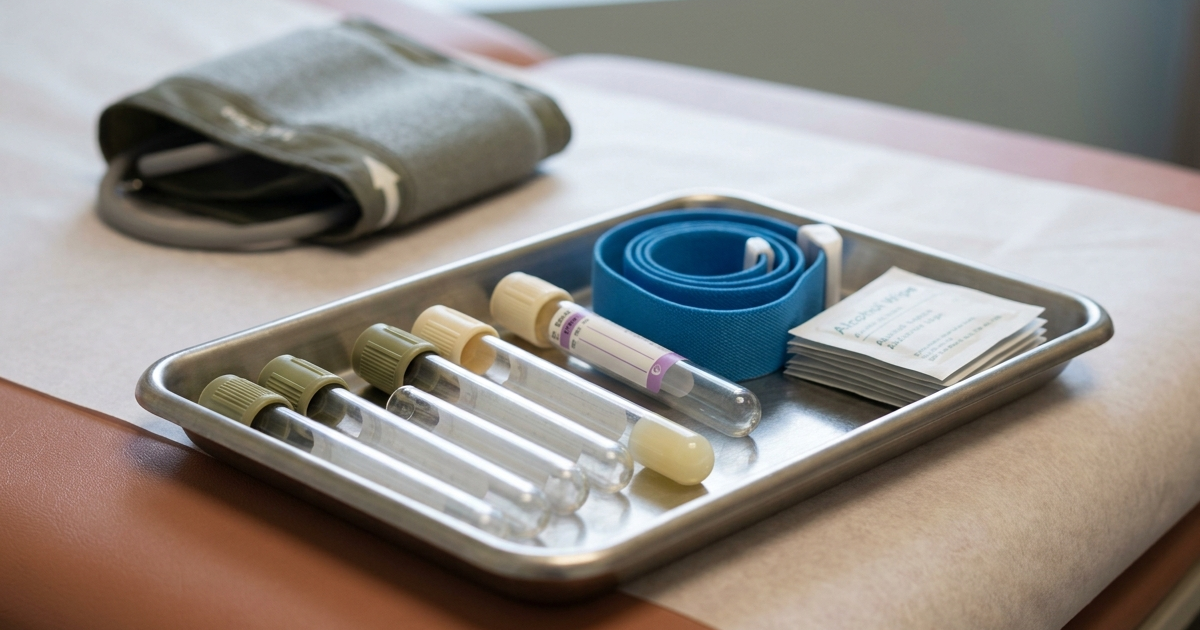
While on Rinvoq, expect periodic blood tests to monitor your blood counts, liver enzymes, and cholesterol (lipids), which can rise on this medication. Report any signs of infection, chest pain, shortness of breath, leg swelling, or a new painful rash promptly, as these can signal the serious events in the Boxed Warning. (1)
What Does Rinvoq Cost and How Do People Access It?
Rinvoq is a brand-name specialty medication, and its list price is high, often running into the tens of thousands of dollars per year before insurance. In practice, most patients do not pay the list price. Coverage usually requires prior authorization, and because Rinvoq is typically used after a TNF blocker, insurers often want documentation that earlier therapies were tried first. (1, 5)
The manufacturer, AbbVie, offers a patient support program and a copay savings card for eligible commercially insured patients, and there are independent foundations that help with costs for some people. Your gastroenterology clinic's specialty pharmacy team or a patient navigator can help work through prior authorization and financial assistance. These are general notes only; check current details with your insurer and care team. (5)
Frequently Asked Questions
Is Rinvoq a biologic?
No. Rinvoq is a small-molecule JAK inhibitor taken as a daily pill, not a biologic. Biologics like infliximab and adalimumab are large antibody proteins given by infusion or injection. Both target inflammation in Crohn's disease but work through different mechanisms and are taken in different ways. (1, 4)
How long does Rinvoq take to work?
In the trials, the formal results were measured at week 12 of induction, but many patients began noticing symptom improvement earlier. Response varies from person to person. If you see little benefit after the induction period, your doctor will reassess whether to continue or switch therapies. (2)
Can I take Rinvoq if I have had cancer or blood clots?
These are situations that call for caution and a careful conversation with your doctor. The Boxed Warning highlights increased risks of malignancy, cardiovascular events, and clots. People with a personal history of these conditions, or who smoke, may face higher risk and need individualized decisions. (1)
Do I need vaccines before starting Rinvoq?
Yes, ideally. Your care team will want you up to date on recommended immunizations, including the shingles vaccine when appropriate, before you begin. Live vaccines are generally avoided during treatment, so timing them beforehand matters. Your doctor will also screen you for tuberculosis and hepatitis. (1)
What is the difference between the 15 mg and 30 mg maintenance doses?
Both are once-daily maintenance options. In U-ENDURE, the 30 mg dose produced higher remission and endoscopic response rates than 15 mg, but also showed more side effects such as liver enzyme changes and low white cell counts. Your doctor chooses based on how you respond and your individual risk profile. (2)
Is Rinvoq used for ulcerative colitis too?
Yes. Rinvoq is also FDA-approved for moderately to severely active ulcerative colitis, another form of inflammatory bowel disease, though the dosing and trial program differ. This article focuses on its use in Crohn's disease. (1)
This article is for general education and is not medical advice. Always discuss treatment decisions, including whether Rinvoq is right for you, with your own qualified healthcare provider.
References
- RINVOQ (upadacitinib) U.S. Prescribing Information, U.S. Food and Drug Administration. accessdata.fda.gov
- Loftus EV, et al. Upadacitinib Induction and Maintenance Therapy for Crohn's Disease. New England Journal of Medicine, 2023. nejm.org
- New England Journal of Medicine Publishes Results from Phase 3 Programs Evaluating Upadacitinib (RINVOQ) in Crohn's Disease, AbbVie News Center. news.abbvie.com
- Upadacitinib Therapy for Crohn's Disease, NEJM Resident 360. resident360.nejm.org
- FDA Approves Upadacitinib for Patients With Crohn's Disease, HCPLive. hcplive.com
Recommended Resources
Browse ResourcesRelated Articles

Rinvoq vs Stelara for Crohn's: Oral JAK or Biologic
Rinvoq vs Stelara for Crohn's disease: a daily pill or an injected biologic. What each trial showed, the boxed warning gap, dosing burden and 2026 costs.

Rinvoq Side Effects in Crohn's: What Patients Actually Report
Rinvoq side effects in Crohn's: the FDA boxed warning in plain language, acne and infection rates from trials and real-world data, plus lab monitoring.

Can You Stop Biologics for Crohn's Disease? A Guide
Considering stopping biologics for Crohn's disease? Real trial numbers on relapse risk, who can de-escalate safely, and how well restarting later works.

Mesalamine for Ulcerative Colitis: Doses, Forms, Side Effects
Mesalamine for ulcerative colitis explained: oral vs rectal forms, once-daily dosing evidence, kidney monitoring, side effects, generics, and when to step up.

Skyrizi Side Effects and Safety for Crohn's Disease
Skyrizi side effects in Crohn's disease: real trial rates, liver enzyme monitoring during IV induction, infection risk, pregnancy data, and what to watch.

Humira Biosimilars in 2026: Every Brand, Interchangeability, Cost
Every FDA-approved Humira biosimilar for Crohn's disease in 2026: all 10 brands, which are interchangeable, high vs low concentration, and real cost data.