
Astaxanthin: A Powerful Antioxidant for Sun Protection and More
This article is for informational purposes only and does not constitute medical advice. Always consult your healthcare provider before making any changes to your treatment plan.
Astaxanthin is described as the most potent antioxidant known to date, a carotenoid that can neutralize free radicals 500 times more effectively than other carotenoids.
One Pill a Day Keeps Sun Damage Away!
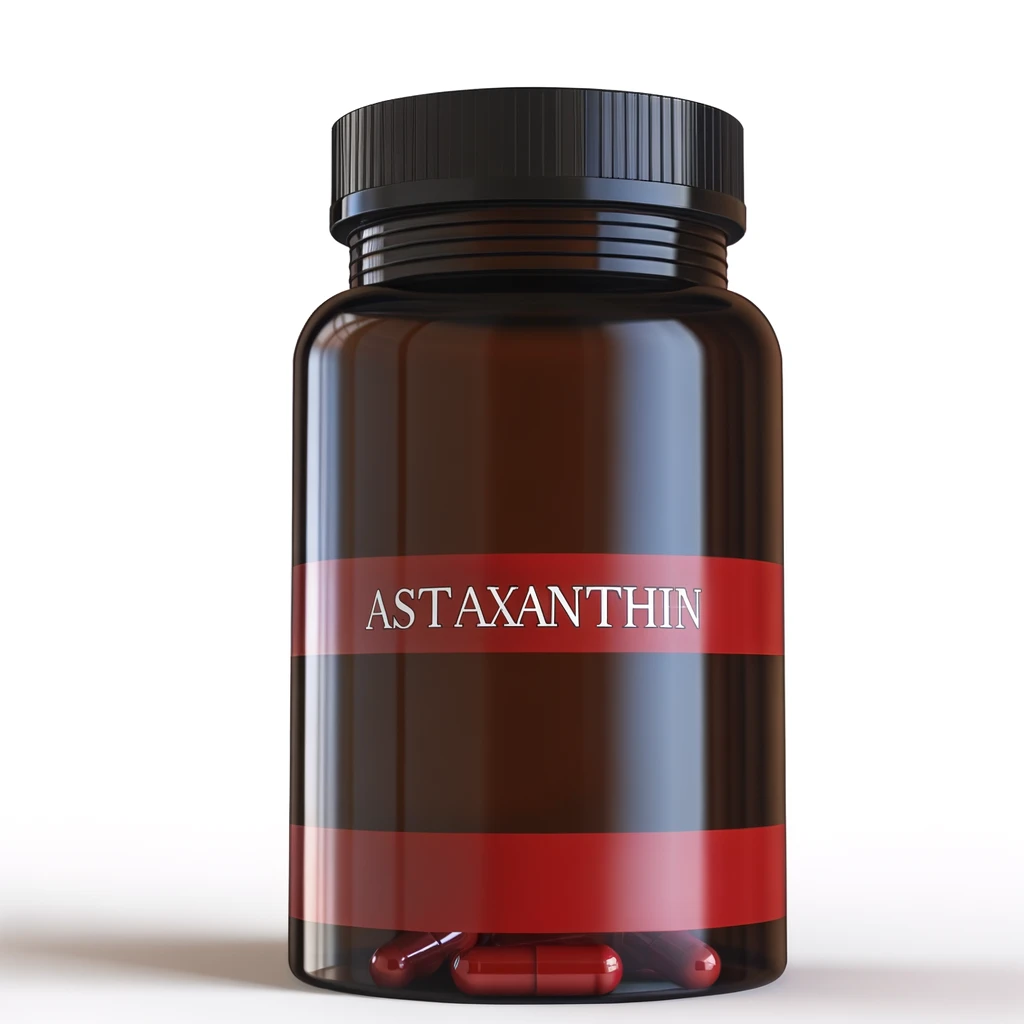
Astaxanthin bottle
Astaxanthin (Astaxanthin) is the most potent antioxidant known to date. Belonging to the carotenoid family, like β-carotene and lycopene, it has a unique chemical structure that can neutralize free radicals 500 times more effectively than other carotenoids. Natural astaxanthin is produced by a microscopic algae called Haematococcus pluvialis to protect itself from oxidative stress conditions.
The most efficient and safe natural source of astaxanthin is dietary supplements that contain the whole Haematococcus algae, which includes a variety of beneficial compounds. For a broader view across supplements relevant to gut conditions, see our overview of dietary supplements and IBD.
Scientific studies have shown that taking astaxanthin can be beneficial for the body in various ways:
Protecting the skin and eyes from UV radiation.
Improving skin appearance.
Boosting the immune system.
Protecting the nervous system from age-related diseases (such as dementia and Alzheimer’s) and enhancing cognitive abilities.
Balancing blood sugar and cholesterol levels.
Improving sperm quality and increasing pregnancy rates among couples with fertility issues.
From personal experience, I can say that this supplement is truly a magic pill! Since I started taking it, my skin has become tighter, smoother, and more radiant.
Astaxanthin supplements can be found at any health food store and on various online pharmacy websites.
Recommended Resources
Browse ResourcesRelated Articles

Potassium Deficiency in Crohn's Disease: A Patient Guide
Potassium deficiency in Crohn's disease: what drains your levels, why magnesium must be corrected first, and how to hit your target on a low-fiber diet.

Short Bowel Syndrome in Crohn's Disease: Diet and Fluids
Short bowel syndrome in Crohn's disease changes how you eat and drink. What guidelines say about sodium, fluids, fat, fiber and supplements after surgery.

Protein Intake With Crohn's Disease: How Much You Need
How much protein do you need with Crohn's disease? ESPEN sets 1.2 to 1.5 g/kg in a flare and about 1 g/kg in remission. A guide to protein intake with Crohn's.

IgG Food Sensitivity Tests for Crohn's: Do They Work?
Is an IgG food sensitivity test worth it for Crohn's? What the sham-controlled trial found, why allergy societies reject the panels, and what to do instead.

Low-Fiber Diet for Crohn's Disease: Who Actually Needs It
A low fiber diet for Crohn's disease has a real but narrow role. Research links routine fiber avoidance to more flares, not fewer. Here is the evidence.

Gluten-Free Diet for Crohn's Disease: What Evidence Shows
Is a gluten free diet for Crohn's disease worth trying? Here is what the research shows on celiac risk, gluten sensitivity, fructans, and who benefits.