
Exploring the Crohn's Disease Exclusion Diet (CDED)

This article is for informational purposes only and does not constitute medical advice. Always consult your healthcare provider before making any changes to your treatment plan.
The Crohn's Disease Exclusion Diet (CDED) is a structured 3-phase protocol that combines whole-food exclusions with partial enteral nutrition to reduce intestinal inflammation (1).
For many of us living with Crohn's disease, diet has always felt like both friend and foe - some foods seem to ease symptoms while others clearly trigger them, but most mainstream advice has been frustratingly vague. The Crohn's Disease Exclusion Diet (CDED) is different. It is a structured, evidence-based protocol backed by randomized trials, and it has emerged as one of the most promising dietary approaches for inducing and maintaining remission in mild-to-moderate Crohn's disease.
Key Takeaways
- The CDED is a structured 3-phase protocol that combines whole-food exclusions with partial enteral nutrition to reduce intestinal inflammation (1)
- A landmark 2019 randomized trial showed that CDED plus partial enteral nutrition was better tolerated than exclusive enteral nutrition and induced sustained remission in children with mild-to-moderate Crohn's (1)
- A 2022 adult trial found that CDED alone or with partial enteral nutrition could induce and maintain remission in adults with mild-to-moderate Crohn's disease (2)
- The diet removes specific "trigger" components such as emulsifiers, processed foods, and certain proteins, while emphasizing whole, unprocessed foods
- CDED should always be supervised by a gastroenterologist and registered dietitian - it is not a DIY protocol
- While promising, the CDED is not a cure and does not replace medical therapy; it is best used as an adjunct to standard care
The CDED Approach to Managing Crohn's Disease
The Crohn's Disease Exclusion Diet (CDED) represents a cutting-edge approach to managing Crohn's disease through dietary changes. This article explores the science behind the diet, its potential benefits, and practical ways to integrate it into daily life.
Growing Interest in CDED
Interest in the CDED has surged because it represents one of the few dietary interventions with randomized controlled trial evidence supporting its use in Crohn's disease. After decades of "diet doesn't really matter" messaging, the CDED has given patients and clinicians a structured framework grounded in science rather than trial and error.
The rising interest in the Crohn's Disease Exclusion Diet among patients and healthcare professionals reflects a growing demand for potential treatments for Crohn's disease. As more people are diagnosed with Crohn's, there's an increased curiosity in alternative treatments and non-pharmacological interventions. The CDED is one such intervention, gaining attention for its potential to manage symptoms without solely relying on medications.
The Challenge of Crohn's Disease
Crohn's disease is a chronic, lifelong inflammatory bowel disease that affects roughly 1.6 million Americans and a rising number of people worldwide. Current medical therapies help many patients but fail others, carry side effects, and sometimes require surgery - which is why alternative and complementary approaches like CDED matter.
The prevalence of Crohn's is on the rise, leading to a growing interest in effective treatments. While medications are available, they come with limitations, including side effects and not always being effective for every patient. Some patients may also require surgery to manage their symptoms, which can be invasive and require long recovery periods. As a result, there is significant interest in alternative treatments that could complement or even replace traditional medications and surgeries.
The Promise of CDED
The promise of CDED lies in clinical trial evidence: in children with mild-to-moderate Crohn's disease, the CDED-plus-partial-enteral-nutrition arm achieved remission in 75% of participants by week 6 in the landmark 2019 study (1). That kind of response rate is comparable to some medications, which is remarkable for a dietary intervention alone.
The CDED offers a promising alternative approach that has shown potential in symptom management. Designed to reduce intestinal inflammation and promote healing, the diet could lead to a reduction in symptoms. While not a cure for Crohn's disease, many patients report significant improvements after following the diet, sparking further interest among both patients and healthcare professionals.
What is Crohn's Disease?
Crohn's disease is a chronic inflammatory condition of the gastrointestinal tract that can affect any part of the digestive system from mouth to anus, producing symptoms ranging from abdominal pain and diarrhea to fatigue and weight loss. It is thought to arise from a complex interaction between genetics, immune dysregulation, the gut microbiome, and environmental factors including diet.
Although the exact cause of Crohn's disease is unknown, it is believed to be an autoimmune disorder where the body's immune system attacks its own tissues.
Varieties of Crohn's Disease
There are several types of Crohn's disease, depending on the location of the inflammation within the digestive system. These include ileocolitis, which affects the large and small intestine; ileitis, which affects only the ileum; gastroduodenal Crohn's disease, which affects the stomach and duodenum; and jejunoileitis, which impacts the jejunum and ileum. The type of Crohn's disease a patient has can influence their symptoms and disease progression.
Risk Factors
While the exact cause of Crohn's disease is not known, several risk factors have been identified. These include genetics, as the disease tends to run in families; smoking, which can worsen symptoms and increase the risk of complications; and a history of infections or antibiotic use, which can disrupt the balance of intestinal bacteria and trigger inflammation. Additional risk factors include a diet high in processed foods and low in fiber, as well as stress and other environmental factors.
Treatment Options
There is no cure for Crohn's disease, but there are several available treatments to manage symptoms and reduce inflammation. These include medications such as steroids, immunomodulators, and biological drugs, as well as surgery to remove damaged parts of the digestive system. In addition to these traditional treatments, alternative approaches like the CDED, acupuncture, and probiotics have also shown promise in managing disease symptoms.
What is the CDED?
The CDED is a structured, whole-food elimination diet used together with partial enteral nutrition (a liquid formula providing a defined portion of daily calories) to induce and maintain remission in Crohn's disease. It removes components hypothesized to drive intestinal inflammation - such as certain animal fats, wheat, dairy, and food additives including emulsifiers - while emphasizing specific whole foods (1,2).
The CDED is a nutritional protocol designed to reduce inflammation and manage symptoms in patients with Crohn's disease. The diet is based on the premise that certain foods can trigger inflammation in the intestines, leading to exacerbation and worsening of symptoms. The CDED aims to eliminate these trigger foods and promote healing of the digestive system.
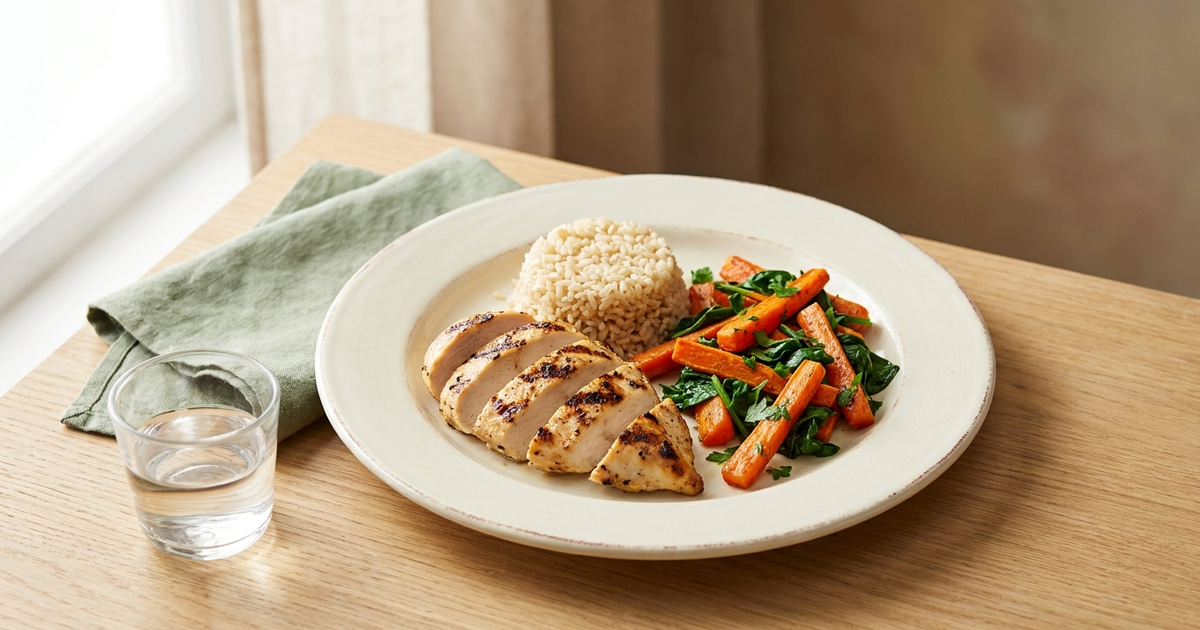
The CDED is a strict elimination diet that involves removing most foods from the diet and gradually reintroducing them to identify trigger foods. The initial phase of the diet involves consuming only a limited number of foods considered safe and non-inflammatory. These foods typically include lean proteins such as chicken and fish, as well as cooked vegetables, white rice, and certain fruits.
The CDED is a temporary diet, typically lasting 8-12 weeks, during which patients closely monitor their symptoms and food intake. After the initial phase, patients begin to reintroduce previously eliminated foods one at a time, monitoring their symptoms to identify any triggers. Once trigger foods are identified, they are permanently removed from the diet.
The CDED is often used in conjunction with other treatments, such as medications and probiotics, to manage symptoms and promote healing. While the diet is not a cure for Crohn's disease, it has been proven effective in reducing inflammation and improving the quality of life for many patients.
It is important to note that the CDED should only be undertaken under the supervision of a healthcare professional, as it can be challenging to follow and may not be suitable for all patients. Patients with other medical conditions or nutritional deficiencies may need to modify the diet to meet their individual needs.
How Does the CDED Work?
The CDED works by removing dietary components thought to trigger inflammation, disrupt the gut barrier, or feed pathogenic bacteria - and by replacing them with whole foods that support a healthier microbiome. Evidence suggests the diet reduces adherent-invasive E. coli colonization and shifts the microbiome toward an anti-inflammatory profile (3).
The CDED is based on the assumption that Crohn's disease is partly caused by an overly active immune response to certain foods. This immune response leads to inflammation in the intestines, which can damage the intestinal lining and exacerbate symptoms.
By removing trigger foods from the diet, the CDED aims to reduce this immune response and decrease inflammation in the intestines. The initial phase of the diet involves consuming only a limited number of foods considered safe and non-inflammatory. This allows the intestines to heal and inflammation to subside.
After completing the initial phase, patients begin to reintroduce previously eliminated foods one at a time, monitoring their symptoms to identify any triggers. By identifying and eliminating trigger foods, patients can reduce their overall inflammation and manage their symptoms more effectively.
In addition to reducing inflammation, the CDED may also help improve nutrient absorption and promote a healthy microbiome in the intestines. By eliminating processed foods and focusing on whole foods rich in nutrients, the diet provides the building blocks needed for the body to heal and function optimally. For a complementary perspective, see our article on the low-emulsifier diet for Crohn's disease, which focuses specifically on removing one category of food additive linked to intestinal inflammation.
What Foods Are Not Included in the CDED?
The CDED excludes foods thought to promote gut inflammation or feed harmful bacteria. The main exclusions are most dairy, wheat and gluten-containing products, processed foods, certain animal fats, and many food additives such as emulsifiers and artificial sweeteners. Raw fruits and vegetables are often limited in the early phases to reduce mechanical irritation.
- Dairy products: Milk, cheese, yogurt, and other dairy products often contain a large amount of lactose, which can be difficult to digest for people with Crohn's disease. Additionally, some people with Crohn's may have a sensitivity to the proteins found in dairy products, which can exacerbate symptoms.
- Gluten: Gluten is a protein found in wheat, barley, and rye. It is often difficult to digest for people with Crohn's disease and can trigger inflammation in the intestines. Many people with Crohn's find that eliminating gluten from their diet can improve their symptoms.
- Processed foods: Processed foods are typically rich in sugar, salt, and other additives that can irritate the intestines and trigger inflammation. They may also contain preservatives and chemicals that can disrupt the intestinal microbiome and contribute to inflammation.
- High-fat foods: High-fat foods, especially saturated and trans fats, can be difficult to digest for people with Crohn's disease and can exacerbate symptoms. Additionally, some studies have suggested that a high-fat diet may contribute to inflammation in the intestines.
- Raw fruits and vegetables: While fruits and vegetables are important sources of nutrients and fiber, they can be difficult to digest for people with Crohn's disease. Raw fruits and vegetables, in particular, can be hard on the intestines and may cause bloating, gas, and other symptoms.

What Foods Are Included in the CDED?
The CDED is built around specific mandatory foods - including fresh chicken breast, eggs, potatoes, and bananas in its early phases - alongside whole grains like rice, certain fruits and vegetables, and lean proteins. These foods are chosen because they provide balanced nutrition while minimizing exposure to additives and inflammation-promoting ingredients.
The CDED does not only focus on eliminating trigger foods - it also emphasizes the consumption of nutrient-rich, anti-inflammatory foods that can promote healing and support overall health. Some of the foods included in the CDED include:
- Lean protein: Protein is essential for repairing and rebuilding tissues in the body, and it can also help maintain a sense of fullness and satisfaction. The CDED recommends lean protein sources, such as skinless chicken, turkey, fish, and plant-based proteins like legumes and tofu.
- Whole grains: While grains that contain gluten are not included in the CDED, whole grains such as brown rice, quinoa, and oats are allowed. These grains are rich in fiber, vitamins, and minerals, and can help support intestinal health.
- Low-FODMAP fruits and vegetables: Many fruits and vegetables are allowed in the CDED, but they should be low in FODMAPs - a type of carbohydrate that can be difficult to digest for some people. Examples of low-FODMAP fruits and vegetables include spinach, carrots, strawberries, and blueberries.
- Healthy fats: While high-fat foods are not included in the CDED, healthy fats such as those found in nuts, seeds, and avocados are encouraged. These fats are anti-inflammatory and can help support overall health and well-being.
- Fermented foods: Fermented foods such as sauerkraut, kimchi, and kefir are allowed in the CDED, as they can help promote a healthy microbiome in the intestines. These foods are rich in beneficial bacteria that can support digestion and reduce inflammation in the intestines.
"Sparks of Hope": Personal Stories of the CDED
Many people with Crohn's disease have found hope and relief through the CDED. Here are some personal stories of people who have tried this approach:
- Improvement in Symptoms and Quality of Life: One woman shared her experience of following the CDED for six months. She noted significant improvements in her symptoms, including reduced abdominal pain and bloating, less frequent bowel movements, and increased energy levels. She also reported feeling more in control of her disease and her life, which positively impacted her overall quality of life.
- Reduced Use of Medications: Another person shared how the CDED helped them reduce their reliance on medications. They had been taking several medications for years to manage their Crohn's disease, but after adhering to the CDED for several months, they were able to reduce their medication use and maintain remission.
- Better Understanding of Triggers: For many people with Crohn's disease, it can be difficult to identify specific food triggers that exacerbate their symptoms. One person shared how the CDED helped them better understand their triggers and make more informed choices about their diet. They discovered that by eliminating certain foods and reintroducing them slowly, they were able to better understand how different foods affected their body.
Can the CDED Benefit Other Inflammatory Bowel Diseases?
Early evidence suggests CDED may help in ulcerative colitis and other forms of IBD, though the data is far more limited than for Crohn's disease. Small open-label studies have reported meaningful remission rates, but larger randomized trials are needed before CDED becomes a standard recommendation outside of Crohn's.
One study published in the Journal of Crohn's and Colitis found that the CDED was effective in inducing remission in patients with active ulcerative colitis. The study followed 17 patients who adhered to the diet for 12 weeks and found that 65% of participants achieved clinical remission (4). While further research is needed to confirm these findings, this study suggests that the CDED may be a promising approach for those with ulcerative colitis.
Another study published in the Journal of Parenteral and Enteral Nutrition found that the CDED was well-tolerated and effective for people with active IBD. The study followed 22 patients who adhered to the diet for 12 weeks and found significant improvements in clinical and biochemical disease activity. Although the sample size was small, these findings suggest that the CDED may be a practical treatment option for those with IBD.
Is the CDED Safe for Everyone?
The CDED is not suitable for everyone. It should be avoided or heavily modified in people with severe malnutrition, active eating disorders, specific nutrient deficiencies, or certain medical conditions that alter protein needs - and it is not appropriate as a standalone replacement for medical therapy in moderate-to-severe or complicated Crohn's disease.
One concern with the CDED is that it may not provide adequate nutrition for some people, especially those with malabsorption or nutrient deficiencies. The exclusion of certain foods, such as dairy products and grains, may limit important sources of vitamins and minerals. Additionally, the diet may be difficult to adhere to for those with a history of eating disorders.
It is also important to note that the CDED is not a cure for Crohn's disease or other inflammatory bowel diseases. While it may help manage symptoms, it does not replace medical treatment or medications prescribed by a healthcare professional.
Finally, the CDED may not be appropriate for those with certain medical conditions or dietary restrictions. For example, people with kidney disease may need to limit their protein intake, which can be challenging with the CDED.
Implementing the CDED: Practical Tips
Implementing the CDED successfully usually means working closely with a registered dietitian, planning meals in advance, and building a support system. The diet is structured but demanding, and without preparation most people struggle to stay consistent through all three phases.
Here are some tips and tricks to help you get started:
- Start Slowly: Instead of jumping into the CDED all at once, try making gradual changes to your diet. This can help you adjust to the new eating pattern and make it more manageable in the long term.
- Meal Planning: Planning your meals in advance can help you stay on track with the CDED. Make a list of allowed foods and plan your meals around these ingredients.
- Keep It Simple: The CDED can be overwhelming with its restrictions, but keeping meals simple can make it easier to adhere to. Stick to whole foods and avoid processed or packaged foods that may contain hidden ingredients.
- Be Creative with Spices and Herbs: While many foods are not included in the CDED, there are still many ways to add flavor to your meals. Experiment with different herbs and spices to add variety to your diet, including options with anti-inflammatory potential like ginger for Crohn's disease management.
- Supplement Wisely: Since the CDED does not include certain foods, you may need to supplement with specific vitamins and minerals. Consult with a healthcare professional or registered dietitian to determine if supplements are necessary for you.
- Drink Plenty of Water: Drinking plenty of water is important for overall health and can also help manage Crohn's disease symptoms. Aim for at least 8-10 glasses of water per day.
- Stay Connected: Joining a support group or connecting with others following the CDED can provide motivation and accountability. It is highly recommended to join an online community or find a support group in your area.
Current Research on the CDED
Research on the CDED has grown rapidly since 2019, with randomized trials in both children and adults showing that the diet can induce remission and reduce inflammatory markers (1,2). Ongoing studies are now exploring its role in maintenance therapy, its combination with biologics, and its effects on the gut microbiome.
A 2019 randomized trial in children found that CDED plus partial enteral nutrition was better tolerated than exclusive enteral nutrition and produced sustained remission in a majority of participants (1). A 2022 open-label randomized trial in adults (CDED-AD) showed that CDED, with or without partial enteral nutrition, could induce clinical remission in mild-to-moderate Crohn's disease (2). Microbiome analyses suggest the diet reduces dysbiosis and shifts the gut flora toward a less inflammatory profile (3). As we explored in our article on the role of gut microbiome diversity in Crohn's disease, this kind of microbial shift may be central to how dietary interventions work.
While research on the CDED is promising, more studies are needed to fully understand its efficacy and safety. Some concerns have been raised about the potential for nutrient deficiencies, especially in children and adolescents who may require higher nutrient intake for growth and development.
However, research to date suggests that the CDED, when properly implemented with partial enteral nutrition and dietitian supervision, provides adequate nutrient intake for children and adolescents. Further research is needed to determine long-term safety and efficacy in adults.
The Future of the CDED and Crohn's Disease Management
The future of CDED research is moving toward personalized, microbiome-informed dietary therapy - combining the structured CDED framework with individual data on genetics, gut flora, and disease phenotype. Digital tools and combination strategies with biologics are also being actively explored.
One area of research that holds promise for the future management of CDED and Crohn's disease is the use of personalized nutrition. Personalized nutrition involves tailoring the diet to the specific needs of the individual based on factors such as genetics, intestinal microbiome, and lifestyle. By incorporating personalized nutrition into the CDED, patients with Crohn's disease may achieve even better outcomes.
Another area of research is the use of digital health technologies, such as mobile apps and wearable devices, to support patients in adhering to the CDED. These technologies can provide real-time feedback and support, making it easier for patients to stick to the diet and monitor their progress.
In addition, research is exploring the potential of combining the CDED with other complementary treatments, such as probiotics and prebiotics. These treatments may further improve the intestinal microbiome, reduce inflammation, and enhance the effectiveness of the CDED. Our broader guide to nutrition and inflammatory bowel diseases places this work in the context of other evidence-based dietary approaches.
Conclusion: A Promising Path Forward?
In summary, the CDED may be a promising path forward for people with Crohn's disease. This dietary approach has been proven to reduce inflammation, improve symptoms, and possibly even induce remission in some cases. Moreover, it may offer a safer and more sustainable alternative or adjunct to traditional pharmaceutical treatments.
While the CDED may be challenging to implement initially, many patients have found success with the diet and reported significant improvements in their quality of life. With the right support and guidance, implementing the CDED can be a viable option for managing Crohn's disease symptoms.
As research on the CDED continues to expand, we may see further advancements in personalized nutrition and digital health technologies that can support patients in maintaining the diet and achieving better outcomes. Additionally, the integration of the CDED with other complementary treatments may further enhance its effectiveness.
The CDED offers a promising alternative to traditional treatments for Crohn's disease, with the potential to improve symptoms, reduce inflammation, and promote overall intestinal health.
While more research is needed, adopting the CDED in consultation with a healthcare professional may be a valuable tool for those living with Crohn's disease.
Frequently Asked Questions
Is the CDED meant to replace my Crohn's disease medication?
No. The CDED is designed to complement, not replace, standard medical therapy. In the key trials, it has been used either as first-line therapy for mild-to-moderate disease or alongside existing medications (1,2). Never stop prescribed medication without discussing it with your gastroenterologist, even if the diet is working well.
How long does the CDED typically last?
The protocol is divided into three phases over about 24 weeks. Phase 1 (weeks 1 to 6) is the strictest exclusion period combined with 50% partial enteral nutrition. Phase 2 (weeks 7 to 12) gradually reintroduces more foods. Phase 3 is a long-term maintenance phase with less restriction. Many patients continue modified CDED principles indefinitely.
Can children safely follow the CDED?
Yes, with proper supervision. The CDED was originally developed and tested in children with mild-to-moderate Crohn's disease, and the 2019 randomized trial demonstrated that children tolerated CDED plus partial enteral nutrition better than exclusive enteral nutrition (1). Pediatric CDED should always be done with a gastroenterologist and registered dietitian experienced in IBD.
Will I lose weight on the CDED?
Some people do lose weight, especially in phase 1, because the diet is lower in overall calories and higher in protein than the typical Western diet. If you are already underweight or have significant weight loss from Crohn's disease, your dietitian can adjust portions and enteral nutrition volumes to maintain or restore healthy weight.
Can I follow the CDED without partial enteral nutrition?
The 2022 adult CDED-AD trial tested CDED both with and without partial enteral nutrition and found that both approaches could induce remission (2). However, the original pediatric evidence uses CDED plus partial enteral nutrition, and most clinicians still recommend that combination for the first 6 weeks when possible. For a recipe option that fits PEN-style needs, see our smooth and savory Modulen shake.
What should I ask my gastroenterologist about trying CDED?
Ask whether your disease phenotype and severity make you a good candidate, whether they can refer you to a dietitian experienced in CDED, and how to coordinate the diet with your current medications. Also ask what monitoring (blood work, inflammatory markers, imaging) they recommend to track progress objectively rather than by symptoms alone.
Is CDED covered by insurance?
Insurance coverage varies widely by country and plan. The food portion is typically an out-of-pocket expense, while the partial enteral nutrition formula may or may not be covered depending on whether it is prescribed as medical nutrition therapy. Check with your insurer and with your clinic's dietitian about potential coverage pathways.
References
- Levine A, Wine E, Assa A, et al. Crohn's Disease Exclusion Diet Plus Partial Enteral Nutrition Induces Sustained Remission in a Randomized Controlled Trial. Gastroenterology, 2019. Read study
- Yanai H, Levine A, Hirsch A, et al. The Crohn's disease exclusion diet for induction and maintenance of remission in adults with mild-to-moderate Crohn's disease (CDED-AD): an open-label, pilot, randomised trial. The Lancet Gastroenterology & Hepatology, 2022. Read study
- Sigall Boneh R, Van Limbergen J, Wine E, et al. Dietary Therapies Induce Rapid Response and Remission in Pediatric Patients With Active Crohn's Disease. Clinical Gastroenterology and Hepatology, 2021. Read study
- Sarbagili-Shabat C, Albenberg L, Van Limbergen J, et al. A Novel UC Exclusion Diet and Antibiotics for Treatment of Mild to Moderate Pediatric Ulcerative Colitis: A Prospective Open-Label Pilot Study. Nutrients, 2021. Read study
Recommended Resources
Browse ResourcesRelated Articles

Short Bowel Syndrome in Crohn's Disease: Diet and Fluids
Short bowel syndrome in Crohn's disease changes how you eat and drink. What guidelines say about sodium, fluids, fat, fiber and supplements after surgery.

Low-Fiber Diet for Crohn's Disease: Who Actually Needs It
A low fiber diet for Crohn's disease has a real but narrow role. Research links routine fiber avoidance to more flares, not fewer. Here is the evidence.

Gluten-Free Diet for Crohn's Disease: What Evidence Shows
Is a gluten free diet for Crohn's disease worth trying? Here is what the research shows on celiac risk, gluten sensitivity, fructans, and who benefits.

Semi-Vegetarian Diet for Crohn's Disease: Chiba Protocol
Semi-vegetarian diet for Crohn's disease showed 92% two-year remission in Chiba's trial. Learn the SVD protocol, the evidence, and how to try it safely.

Autoimmune Protocol (AIP) Diet for Crohn's: A Patient Guide
Learn how the Autoimmune Protocol (AIP) diet may help Crohn's disease. Evidence from clinical trials, food lists, phases, risks, and how to try it safely.

Low FODMAP Diet for Crohn's: Evidence-Based Patient Guide
Low FODMAP diet for Crohn's disease in IBD remission: 2025 evidence on symptom relief, microbiota impact, and how to safely reintroduce common trigger foods.