
Short Bowel Syndrome in Crohn's Disease: Diet and Fluids

This article is for informational purposes only and does not constitute medical advice. Always consult your healthcare provider before making any changes to your treatment plan.
Short bowel syndrome in Crohn's disease is where diet stops being about symptom triggers and becomes about absorption. If you have had several resections, or a stoma putting out more than it should, the advice that works is often the opposite of what sounds sensible: drinking more plain water can make dehydration worse. Here is what the guidelines say about fluids, sodium, fat, fiber and supplements.
Key Takeaways
- ESPEN defines short bowel syndrome as less than 200 cm of small bowel in continuity from the ligament of Treitz, classified in WHO ICD-11 as DA96.04 (1)
- Normal adult small bowel length ranges from roughly 275 cm to 850 cm, so the same resection affects two people very differently (1)
- Stomal effluent carries around 100 mmol/L of sodium, which is why a high-output jejunostomy means limiting water, tea, coffee, juice and cola (1)
- Diet advice splits on whether your colon is in continuity: with a colon, high complex carbohydrate and low fat; without one, any fat to carbohydrate ratio (1)
- ESPEN says glutamine, probiotics and soluble fiber such as pectin cannot be recommended for intestinal rehabilitation or absorption (1)
- It is a minority complication: of 410 adults with Crohn's, 41 had it, with a median of 3 resections versus 1 in those without (2)
What Short Bowel Syndrome Actually Means
Short bowel syndrome (SBS) in adults is defined by ESPEN as having less than 200 cm of residual small bowel in continuity, measured from the ligament of Treitz, with or without the colon still attached (1). The condition is formally classified in the World Health Organization's ICD-11 as code DA96.04 (1).
Natural variation is wide to begin with: normal small bowel length in adults runs from roughly 275 cm to 850 cm (1). That range is why two people can lose the same 150 cm and end up in very different places, one eating normally and the other needing intravenous support.
The three anatomical types
ESPEN classifies SBS by what remains in continuity, and this drives almost every dietary decision below:
- Type 1: end jejunostomy or ileostomy, with no colon in the digestive stream
- Type 2: jejuno-colic anastomosis, where the jejunum connects to the colon
- Type 3: jejuno-ileo-colonic anastomosis, with the ileocecal valve and an intact colon preserved
In the ESPEN survey of SBS with chronic intestinal failure, these accounted for 60.0 percent, 30.9 percent and 9.1 percent of cases respectively (1). If you do not know which describes you, your surgical report will say. Find out before changing how you eat: the advice for type 1 and type 3 genuinely differs.
Functional short bowel syndrome
Some people have all the symptoms despite more than 200 cm of remaining bowel, because the remnant does not absorb well. ESPEN calls this functional SBS (1). The threshold is a classification, not a rule about who is allowed to feel unwell.
How Often Crohn's Disease Leads to Short Bowel Syndrome
ESPEN lists Crohn's disease among the most frequent underlying causes of SBS, alongside mesenteric ischemia, radiation enteritis, post-surgical adhesions and post-operative complications (1). But being a frequent cause of SBS is not the same as being a likely outcome of Crohn's surgery.
In a case-control study of 410 adults with Crohn's disease at Nancy University Hospital, 41 had SBS and 369 did not (2). Those who developed it had undergone more surgery: a median of 3 bowel resections versus 1 (2). Time to first surgery did not differ meaningfully between the groups, at a median of 6 years versus 4 (2), which argues that cumulative resections matter more than how early surgery happens. One operation is not the start of an inevitable slide. If you are preparing for a first resection, our guide to ileocecal resection covers what it involves.
Two other associations emerged. Intravenous steroid treatment was associated with higher odds of SBS, with an odds ratio of 8.5 and a 95 percent confidence interval of 3.0 to 24.9, while Montreal B1 behaviour, meaning non-stricturing and non-penetrating, was associated with lower odds (2). These are associations from a single centre, not predictions about any individual.
Anatomy also predicted who needed parenteral support: 70.6 percent of those with an end jejunostomy, compared with 25 percent with a jejunocolic anastomosis and none with a jejunoileal one (2).
Why Drinking More Water Can Make Dehydration Worse
If you take one thing from this article, take this. ESPEN states that people with SBS who have net secretion and a high-output jejunostomy shall limit oral intake of low-sodium hypotonic fluids, meaning water, tea, coffee and alcohol, as well as hypertonic fluids such as fruit juices and colas, in order to reduce stoma output (1).
The mechanism is sodium. ESPEN cites Nightingale's work showing that sodium in stomal effluent is approximately 100 mmol/L (1). Plain water carries essentially none, so drinking it draws sodium from the body into the bowel lumen to meet that concentration, and the whole lot leaves again, leaving you thirstier and more depleted.
What an oral rehydration solution does
An oral rehydration solution (ORS) works differently. It accelerates co-transport of sodium together with glucose across the intestinal wall, and water follows passively by solvent drag (1). ESPEN notes that ORS was originally developed to treat cholera, another condition defined by catastrophic fluid and sodium loss (1). The glucose is not there for calories. It is there to carry the sodium.
ESPEN recommends that people with SBS who have borderline dehydration or sodium depletion can use an isotonic, high-sodium oral rehydration solution to replace stoma sodium losses (1). It also notes plainly that compliance is often difficult, and that clinicians may suggest diluting it with water at first and increasing the sodium gradually as tolerated (1). If you have tried ORS and found it unpalatable, that is a documented and expected reaction.
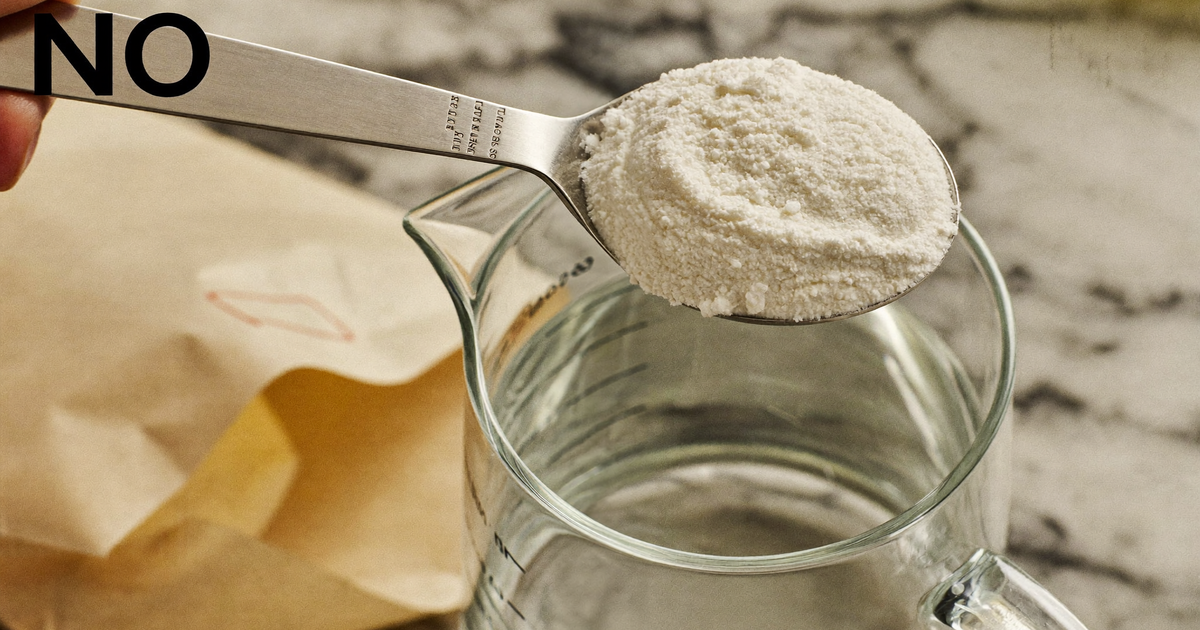
We are deliberately not publishing a homemade recipe. Sodium and fluid targets are individualised: this belongs with your IBD team or an intestinal failure dietitian, who can prescribe a formulation matched to your output.
Salt is not the enemy here
ESPEN says that people with type 1 SBS, meaning an end jejunostomy, can use salt liberally and restrict oral fluids in relation to meals (1). If stoma output is the day-to-day problem, our guide to living with an ostomy covers the practical side.
What to Eat Depends on Whether You Still Have a Colon
ESPEN organises its dietary recommendations around one question: is your colon still in continuity? It is why generic short bowel syndrome diet advice so often fails to fit.
If your colon is still in continuity, the diet can be high in complex carbohydrates, low in mono- and disaccharides and low in fat, with a high content of medium-chain triglycerides (MCT) (1). On MCT specifically, ESPEN describes the benefit as marginal on overall energy absorption compared with regular long-chain triglycerides (1). Marginal means marginal: a reasonable adjunct your dietitian may suggest, not a turning point.
If your colon is not in continuity, the diet can have any fat to carbohydrate ratio, with a low mono- and disaccharide content (1).
One caution applies either way. Anyone on a low-fat diet, or whose long-chain triglycerides have been largely replaced by MCT, should be monitored for essential fatty acid deficiency and fat-soluble vitamin deficiency (1).
ESPEN also makes a point that runs against almost every other diet article you will read: people with SBS are to be encouraged to compensate for malabsorption by hyperphagia, meaning deliberately eating more than their calculated requirements, with oral sip feeds between meals (1). Isotonic oral nutritional supplements can be added for those at risk of malnutrition (1). After years of being told to eat less, being told to eat more can feel strange. Here it is the recommendation.
Restrictions and Supplements That Do Not Help
Several widely sold gut-repair supplements have been examined in SBS, and the guideline is clear.
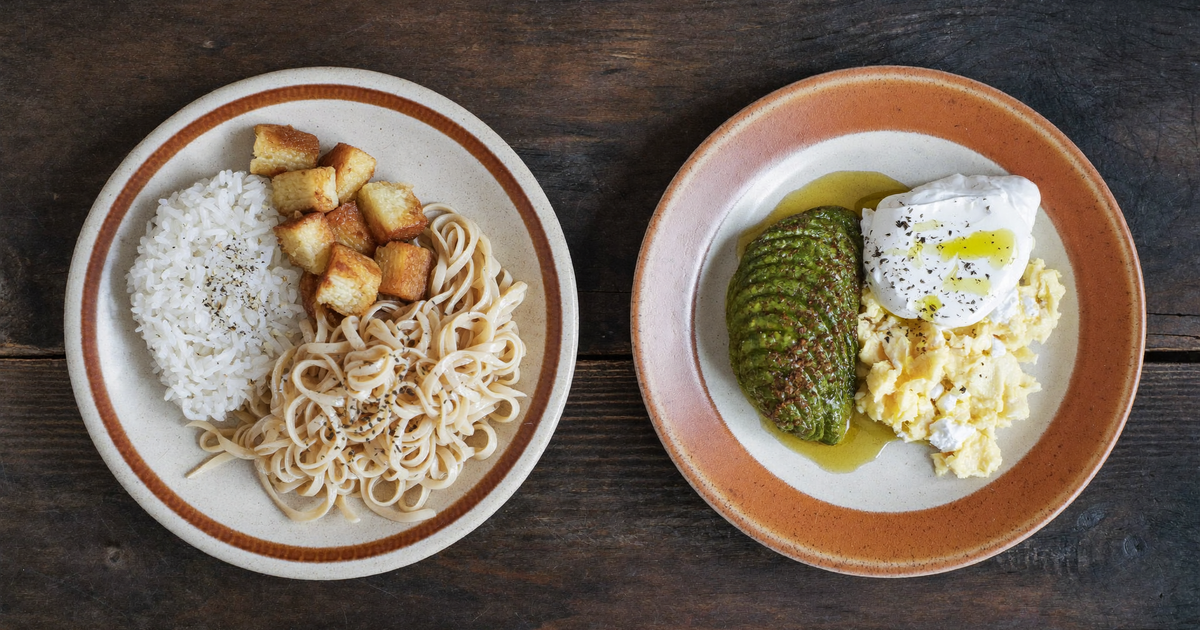
ESPEN states that adding glutamine, probiotics or other supplemental nutrients to the diet with the aim of promoting intestinal rehabilitation cannot be recommended (1). It also advises against routinely adding individual amino acids such as glutamine, cysteine or taurine to parenteral formulas to reduce complications (1). We have written separately about L-glutamine and IBD, and the picture is much the same. Cannot be recommended is not the same as proven harmful, and that distinction is worth holding onto.
Soluble fiber such as pectin may not be added to the diet with the aim of enhancing overall intestinal absorption (1). Lactose may not be excluded unless intolerance has been documented on a clinical basis, meaning an observed link between lactose and worse diarrhea or stoma output (1). Cutting dairy on suspicion removes calories, protein and calcium from a diet that needs all three.
That restraint echoes the wider Crohn's picture. The National Institute of Diabetes and Digestive and Kidney Diseases states that researchers have not found that specific foods cause or worsen Crohn's disease symptoms (5). Blanket elimination is not the answer in ordinary Crohn's, and it is not the answer here either.
Medication and Monitoring That Make the Diet Work
Diet in SBS does not work alone. Slowing transit and reducing secretion give food and fluid time to be absorbed.
Slowing output
Oral loperamide shall be used to reduce fecal wet weight and sodium excretion in people with SBS who have an ostomy, and ESPEN says loperamide should be preferred to opiate drugs such as codeine phosphate or opium because it is not addictive or sedative (1).
H2-receptor antagonists or proton pump inhibitors may be used to reduce fecal wet weight and sodium excretion, especially during the first six months after surgery, and mainly in people whose fecal output exceeds 2 litres per day (1).
Coming off parenteral nutrition
The American Gastroenterological Association advises that long-term parenteral nutrition in IBD with short bowel syndrome should be transitioned to customised hydration management, meaning intravenous electrolyte support and/or oral rehydration solutions, together with oral intake wherever possible, to reduce long-term complications (3). Glucagon-like peptide-2 (GLP-2) agonists can facilitate that transition (3). Teduglutide is the only GLP-2 analogue approved by the FDA and EMA so far, and availability and reimbursement vary between countries (1).
ESPEN recommends that people with SBS receive dietary counselling guided by an expert dietitian, based on the patient's own experience and ideally supported by objective measurements (1).
On bloodwork, the AGA advises that all patients with IBD be monitored for vitamin D and iron deficiency, and that those with extensive ileal disease or prior ileal surgery be monitored for vitamin B12 deficiency (3). Our overview of micronutrient deficiencies in Crohn's disease goes through those in detail. The AGA also notes that serum proteins are no longer recommended for diagnosing malnutrition, because they lack specificity and are highly sensitive to inflammation (3). If you have been told your albumin looks fine while you are visibly struggling, that is why it was never the right test.
None of this is self-management territory. The next step is your IBD team and, specifically, a dietitian with intestinal failure experience.
Frequently Asked Questions
Does one bowel resection for Crohn's disease mean I will get short bowel syndrome?
No. Of 410 adults with Crohn's disease in one case-control study, 41 had short bowel syndrome and those who did had a median of 3 resections versus 1 (2). The condition is defined as less than 200 cm of remaining small bowel in continuity, which a single limited resection rarely approaches (1).
Should I drink more water if I have a high-output stoma?
Usually not. ESPEN says people with net secretion and a high-output jejunostomy shall limit hypotonic fluids such as water, tea and coffee, and hypertonic fluids such as juice and cola (1). Because effluent carries around 100 mmol/L of sodium, plain water draws sodium out rather than replacing it. ESPEN recommends an isotonic high-sodium oral rehydration solution instead (1).
Will glutamine or probiotics help my gut adapt after resection?
ESPEN states that adding glutamine, probiotics or other supplemental nutrients to promote intestinal rehabilitation cannot be recommended, and advises against routinely adding individual amino acids to parenteral formulas (1). That reflects absent evidence of benefit rather than proven harm, so discuss it with your dietitian first.
Do I need to avoid dairy or add a fiber supplement?
ESPEN says lactose may not be excluded unless intolerance has been documented on a clinical basis, meaning an observed link with worse diarrhea or stoma output (1). It also says soluble fiber such as pectin may not be added to enhance overall absorption (1).
Is MCT oil worth using?
It depends on your anatomy, and the effect is modest. For people whose colon is in continuity, ESPEN describes a diet high in medium-chain triglycerides as giving a marginal benefit on overall energy absorption compared with long-chain triglycerides (1). If long-chain fats are largely replaced by MCT, essential fatty acid and fat-soluble vitamin levels should be monitored (1).
Can I come off parenteral nutrition eventually?
Sometimes, and it is an explicit goal. The AGA advises transitioning long-term parenteral nutrition in short bowel syndrome to customised hydration management and oral intake whenever possible, and notes that GLP-2 agonists can facilitate this (3). Teduglutide is the only GLP-2 analogue approved by the FDA and EMA (1), and access depends on your country.
Which blood tests should my team be following?
The AGA advises monitoring all IBD patients for vitamin D and iron deficiency, and those with extensive ileal disease or prior ileal surgery for vitamin B12 deficiency (3). Anyone on a low-fat or MCT-based diet should also be monitored for essential fatty acid and fat-soluble vitamin deficiency (1). Serum proteins such as albumin are no longer recommended for diagnosing malnutrition (3).
References
- Pironi L, Cuerda C, Jeppesen PB, et al. ESPEN guideline on chronic intestinal failure in adults - Update 2023. Clinical Nutrition, 2023;42(10):1940-2021. Read guideline
- Vaillant S, Guillo L, Michot N, et al. Predictors for short bowel syndrome in Crohn's disease. Digestive and Liver Disease, 2020;52(12):1455-1460. View on PubMed
- Hashash JG, Elkins J, Lewis JD, Binion DG. AGA Clinical Practice Update on Diet and Nutritional Therapies in Patients With Inflammatory Bowel Disease: Expert Review. Gastroenterology, 2024;166(3):521-532. View on PubMed
- Bischoff SC, Bager P, Escher J, et al. ESPEN guideline on Clinical Nutrition in inflammatory bowel disease. Clinical Nutrition, 2023;42(3):352-379. Read guideline
- National Institute of Diabetes and Digestive and Kidney Diseases. Eating, Diet, & Nutrition for Crohn's Disease. Last reviewed July 2024. Read article
Recommended Resources
Browse ResourcesRelated Articles

Low-Fiber Diet for Crohn's Disease: Who Actually Needs It
A low fiber diet for Crohn's disease has a real but narrow role. Research links routine fiber avoidance to more flares, not fewer. Here is the evidence.

Gluten-Free Diet for Crohn's Disease: What Evidence Shows
Is a gluten free diet for Crohn's disease worth trying? Here is what the research shows on celiac risk, gluten sensitivity, fructans, and who benefits.

Semi-Vegetarian Diet for Crohn's Disease: Chiba Protocol
Semi-vegetarian diet for Crohn's disease showed 92% two-year remission in Chiba's trial. Learn the SVD protocol, the evidence, and how to try it safely.

Autoimmune Protocol (AIP) Diet for Crohn's: A Patient Guide
Learn how the Autoimmune Protocol (AIP) diet may help Crohn's disease. Evidence from clinical trials, food lists, phases, risks, and how to try it safely.

Low FODMAP Diet for Crohn's: Evidence-Based Patient Guide
Low FODMAP diet for Crohn's disease in IBD remission: 2025 evidence on symptom relief, microbiota impact, and how to safely reintroduce common trigger foods.

IBD-AID Diet for Crohn's: Anti-Inflammatory Eating Guide
The IBD-AID diet for Crohn's combines probiotics, prebiotics, and modified carbohydrates. Studies show symptom relief and reduced medication needs in patients.