
The Buzz About Serrapeptase

This article is for informational purposes only and does not constitute medical advice. Always consult your healthcare provider before making any changes to your treatment plan.
Serrapeptase is a natural anti-inflammatory enzyme that the author finds helpful for respiratory health and inflammation, but you should always consult your doctor before taking it or any other supplement.
Serrapeptase is a must-have product in every home during the winter! Personally, I can't survive the winter without it.
Serrapeptase is a natural anti-inflammatory enzyme produced by the Serratia 15E bacterium grown on plant material. This enzyme has been used clinically for over 25 years across Europe and Asia. Many doctors consider Serrapeptase a reliable alternative to medications like aspirin and ibuprofen.
Discovered initially in the intestines of silkworms, Serrapeptase helps these worms dissolve their silk cocoons to emerge and digest the tough mulberry leaves they feed on. This is the second gift from silkworms.
Now you might be thinking: what is she talking about silkworms for? But trust me, you'll thank me soon!
Surprisingly, many people haven't heard about Serrapeptase. I was lucky to learn about it through my sister, who initially called it "Sirpapad," which made it hard for me to find it anywhere.
Since childhood, my respiratory system hasn't been great: asthma, croup in the winters, and clogged, painful sinuses. I noticed that when I consistently take Serrapeptase during the transitional seasons and winter, I keep my sinuses clear and breathe better than ever.
An added bonus I discovered after regular use is that prominent veins in my legs have diminished and receded. They haven't disappeared entirely but look much better!
Of course, it's crucial to consult with your doctor before taking this or any other supplement or medication.
Benefits of Serrapeptase
- Natural Anti-Inflammatory: Helps reduce inflammation without the side effects associated with traditional medications. Other natural anti-inflammatories worth knowing include ginger for Crohn's disease management.
- Respiratory Health: Supports clearer sinuses and better breathing, especially beneficial during the winter and transitional seasons.
- Vein Health: Can improve the appearance of prominent veins, though results may vary.
How to Use Serrapeptase
Serrapeptase is available in supplement form, and it's important to follow the recommended dosage instructions on the packaging or as advised by your healthcare provider.
Final Thoughts
If you struggle with respiratory issues or inflammation, Serrapeptase might be a helpful addition to your health regimen. Always check with your doctor before starting any new supplement.
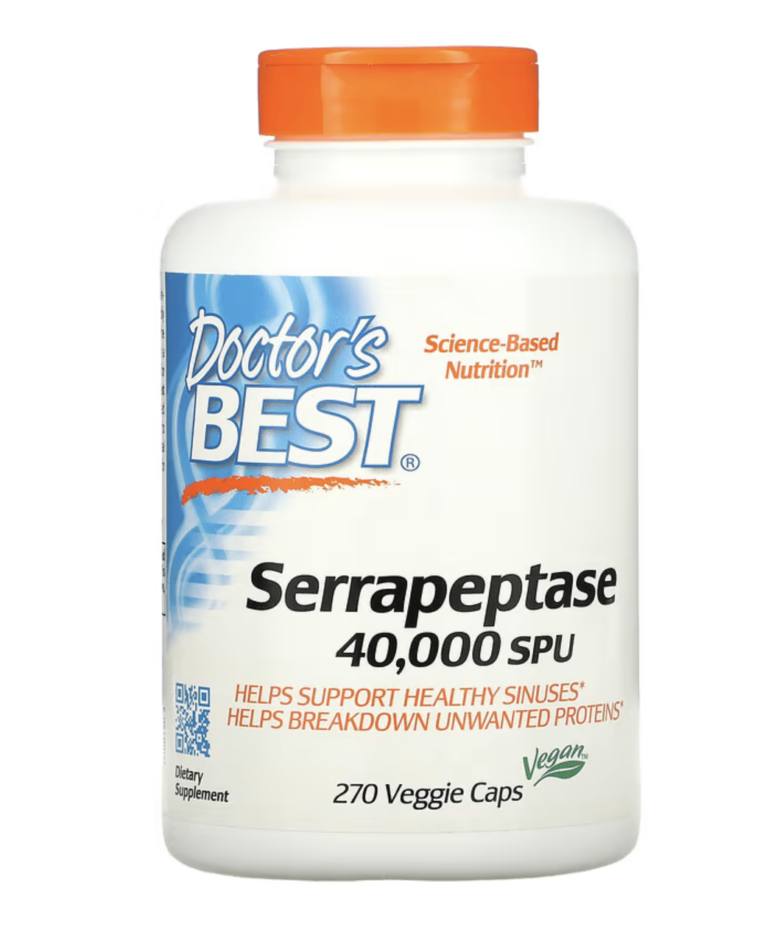
serrapeptase
Stay healthy and breathe easy this winter!
Recommended Resources
Browse ResourcesRelated Articles

Potassium Deficiency in Crohn's Disease: A Patient Guide
Potassium deficiency in Crohn's disease: what drains your levels, why magnesium must be corrected first, and how to hit your target on a low-fiber diet.

Short Bowel Syndrome in Crohn's Disease: Diet and Fluids
Short bowel syndrome in Crohn's disease changes how you eat and drink. What guidelines say about sodium, fluids, fat, fiber and supplements after surgery.

Protein Intake With Crohn's Disease: How Much You Need
How much protein do you need with Crohn's disease? ESPEN sets 1.2 to 1.5 g/kg in a flare and about 1 g/kg in remission. A guide to protein intake with Crohn's.

IgG Food Sensitivity Tests for Crohn's: Do They Work?
Is an IgG food sensitivity test worth it for Crohn's? What the sham-controlled trial found, why allergy societies reject the panels, and what to do instead.

Low-Fiber Diet for Crohn's Disease: Who Actually Needs It
A low fiber diet for Crohn's disease has a real but narrow role. Research links routine fiber avoidance to more flares, not fewer. Here is the evidence.

Gluten-Free Diet for Crohn's Disease: What Evidence Shows
Is a gluten free diet for Crohn's disease worth trying? Here is what the research shows on celiac risk, gluten sensitivity, fructans, and who benefits.