
Mediterranean Diet for Crohn's Disease: What Research Shows

This article is for informational purposes only and does not constitute medical advice. Always consult your healthcare provider before making any changes to your treatment plan.
The Mediterranean diet is backed by randomized controlled trials and is now recommended by the AGA for all IBD patients unless contraindicated, working best as a complement to medical therapy rather than a replacement (4).
If you've been searching for a sustainable, evidence-based way to eat that supports your body rather than restricts it, the Mediterranean diet for Crohn's disease may be the most encouraging development in IBD nutrition in years. Backed by randomized controlled trials, endorsed by both the American Gastroenterological Association and the American College of Gastroenterology, and built around foods most of us actually enjoy, this dietary pattern has shifted from "probably a good idea" to "the first diet gastroenterologists actively recommend." Here's what the research says - and how to make it work for your life.
Key Takeaways
- In the DINE-CD trial of 191 adults, 43.5% on the Mediterranean diet achieved symptomatic remission at 6 weeks - comparable to the more restrictive Specific Carbohydrate Diet (3)
- The IBDMED trial found 80% clinical remission in Crohn's patients on the Mediterranean diet, versus 40% in controls (2)
- The AGA now recommends all IBD patients follow a Mediterranean diet unless contraindicated (4)
- Mediterranean diet adherence is linked to improved gut microbiome diversity and lower fecal calprotectin levels (1)
- This dietary approach works best as a complement to medical therapy, not a replacement for it
What Is the Mediterranean Diet?
The Mediterranean diet is an eating pattern inspired by the traditional cuisines of countries bordering the Mediterranean Sea. It emphasizes whole, minimally processed foods and has been studied extensively for its role in reducing chronic inflammation - making it a natural fit for conditions like Crohn's disease.
Core Foods and Principles
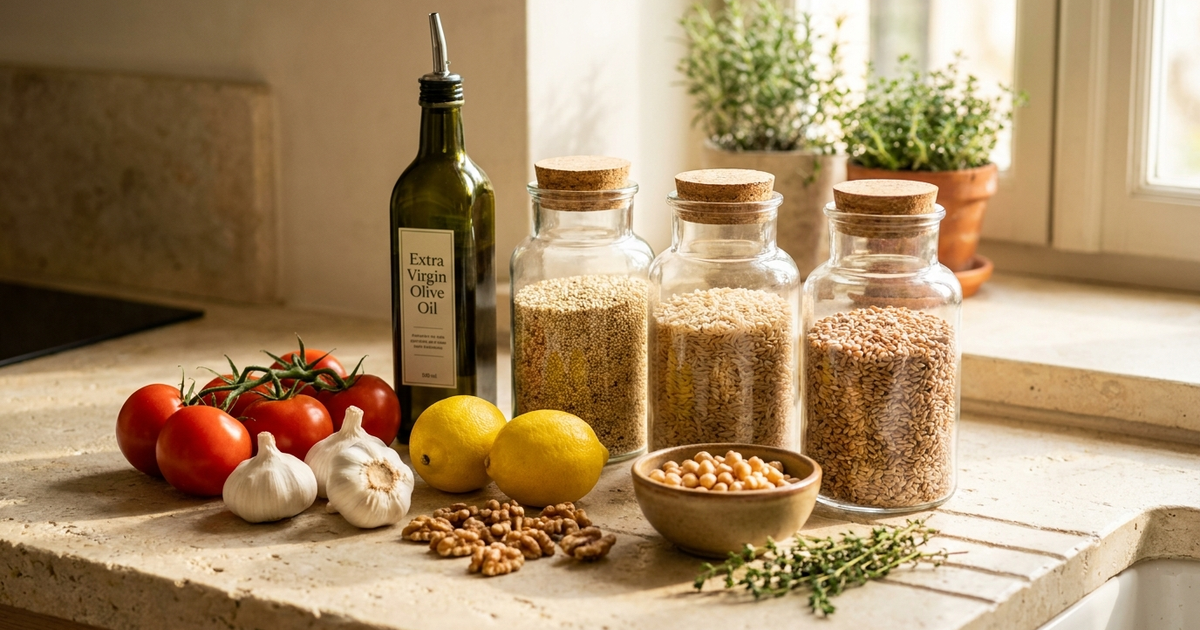
At its heart, the Mediterranean diet is built around fruits, vegetables, whole grains, legumes, nuts, seeds, olive oil (as the primary fat), and fish. Poultry, eggs, and dairy appear in moderate amounts, while red meat, processed meat, added sugars, and ultraprocessed foods are kept to a minimum. If you're already familiar with the basics of nutrition in IBD, many of these principles will feel intuitive - but the Mediterranean diet ties them together into a cohesive, well-studied pattern.
Why It Matters for Chronic Inflammatory Conditions
The Mediterranean pattern is naturally rich in anti-inflammatory compounds - polyphenols from fruits and vegetables, omega-3 fatty acids from fish, and monounsaturated fats from olive oil. These compounds have been shown to reduce markers of systemic inflammation across a wide range of conditions, from cardiovascular disease to type 2 diabetes. For those of us living with Crohn's, a condition defined by chronic gut inflammation, that anti-inflammatory foundation is exactly why researchers began studying this diet in IBD populations.
Clinical Evidence: Major Trials and Studies
The conversation around the Mediterranean diet for Crohn's disease is no longer theoretical. Three significant clinical studies - including two randomized controlled trials and a prospective cohort - have provided concrete evidence that this dietary pattern can reduce symptoms, lower inflammatory markers, and improve gut microbiome health in people with Crohn's.
The DINE-CD Trial
The largest and most widely cited study is the DINE-CD trial, a randomized controlled trial of 191 adults with mild-to-moderate Crohn's disease. At 6 weeks, 43.5% of participants assigned to the Mediterranean diet achieved symptomatic remission, compared to 46.5% on the Specific Carbohydrate Diet (3). The difference between diets was not statistically significant, but the finding is important: the Mediterranean diet performed just as well as a much more restrictive alternative. Since the Mediterranean diet is generally easier to follow and more aligned with overall health recommendations, this result shifted the conversation toward recommending a less restrictive option as the default dietary approach.
The IBDMED Randomized Controlled Trial
A more recent trial, IBDMED, enrolled 78 patients with early Crohn's disease and produced even more striking numbers. Among participants with active disease, 80% of those on the Mediterranean diet achieved clinical remission, compared to 40% in the control group (2). The study also measured fecal calprotectin - a key marker of intestinal inflammation - and found it dropped from 221 to 136 mcg/g in the intervention group (p=0.0019), with 50% of participants achieving a greater-than-50% reduction (2). These are the kind of objective improvements that tell us the diet isn't just helping people feel better - it's reducing measurable inflammation.
The Godny Prospective Cohort Study
A prospective study of 271 newly diagnosed Crohn's patients added another layer. Researchers found that adherence to a Mediterranean diet was inversely correlated with disease activity, fecal calprotectin, CRP (a blood marker of inflammation), and microbial dysbiosis (1). In other words, the more closely patients followed the Mediterranean pattern, the better their inflammatory markers looked - and the healthier their gut bacterial communities appeared to be.
How the Mediterranean Diet Fights Inflammation in Crohn's
The Mediterranean diet appears to fight Crohn's-related inflammation through at least two interconnected pathways: by reshaping the gut microbiome toward a healthier, more diverse bacterial community, and by delivering anti-inflammatory plant compounds that directly lower measurable markers of intestinal inflammation like fecal calprotectin and CRP.
Gut Microbiome Benefits
One of the most compelling mechanisms involves the gut microbiome. The Mediterranean diet increases levels of beneficial bacteria, including Faecalibacterium - a butyrate-producing genus that plays a protective role in gut health (1). It also promotes overall microbial diversity, which is typically reduced in people with Crohn's disease. As we explored in our article on gut microbiome diversity in Crohn's disease, this diversity is increasingly understood as a cornerstone of intestinal health. A more diverse microbiome is associated with better immune regulation and a stronger intestinal barrier.
Reducing Inflammatory Markers
Beyond the microbiome, plant metabolites, vitamin derivatives, and amino acids from Mediterranean foods support anti-inflammatory pathways at the cellular level. The IBDMED trial showed significant drops in fecal calprotectin (2), and the Godny cohort found that dietary adherence correlated with lower CRP levels (1). These aren't subtle effects - they're the same markers gastroenterologists use to guide treatment decisions. Some patients pair this dietary base with adjunct anti-inflammatory ingredients like turmeric in Crohn's disease management.

What the Experts Recommend
Both the American Gastroenterological Association and the American College of Gastroenterology now recommend the Mediterranean diet for IBD patients. The AGA advises it for all IBD patients unless contraindicated, and the 2025 ACG guideline recognizes it as a dietary therapy option for mild-to-moderate Crohn's in motivated, low-risk patients with close monitoring (4, 5).
AGA Best Practice Advice
The AGA recommends all IBD patients follow a Mediterranean diet rich in fresh fruits, vegetables, monounsaturated fats, and lean proteins unless contraindicated (4). That's a remarkable statement - it's rare for a professional body to endorse a specific dietary pattern this directly. The recommendation also specifically favors the Mediterranean diet over the Specific Carbohydrate Diet due to its ease of adherence and broader health benefits.
2025 ACG Guideline Update
The updated 2025 ACG clinical guideline recognizes dietary therapy, including the Mediterranean diet, for mild-to-moderate Crohn's disease in low-risk, motivated patients (5). The guideline is careful to note that dietary therapy should not delay or replace medical treatment in moderate-to-severe disease. When comparing dietary interventions for Crohn's, it's worth noting that several evidence-based approaches exist - our community has also covered the Crohn's Disease Exclusion Diet (CDED), which takes a different but also well-supported path.
Getting Started: Practical Tips for Patients with Crohn's
Transitioning to a Mediterranean diet doesn't require an overnight overhaul. The most successful approach for people with Crohn's is gradual: introduce more olive oil, fish, fruits, and vegetables over a few weeks, while reducing processed foods and red meat. During active flares, simple modifications - like cooking vegetables thoroughly and peeling fruits - can help you maintain the pattern without aggravating symptoms.
Foods to Emphasize
Start by increasing your intake of olive oil (use it as your primary cooking and dressing fat), fatty fish like salmon and sardines (2-3 times per week), and a variety of fruits and vegetables. Whole grains like brown rice, quinoa, and oats provide fiber and nutrients. Legumes - lentils, chickpeas, white beans - are a Mediterranean staple, though introduction should be gradual if you haven't eaten them regularly. Aromatic Mediterranean staples like fennel can also feature in soothing preparations - see our fennel seed infusion recipe for digestive health. The Mediterranean diet is also naturally rich in the micronutrients that many Crohn's patients lack, as we discuss in our article on micronutrient deficiencies in Crohn's disease.
Foods to Limit
Reduce ultraprocessed foods, added sugars, red meat, and processed meats. These are the categories most consistently associated with inflammation across the research literature. Swap processed snacks for nuts, seeds (if tolerated), hummus, or fresh fruit. When choosing packaged foods, check ingredient lists for additives like emulsifiers and artificial sweeteners, which some research has linked to intestinal inflammation.
Adapting During Flares
During active flares, the fiber content of a standard Mediterranean diet may need temporary modification. Cook vegetables thoroughly, peel fruits, and consider temporarily reducing raw salads and high-fiber legumes. The core principles - olive oil, fish, gentle cooking methods - can usually be maintained even when you need to dial back roughage. Work with a registered dietitian who understands both the Mediterranean diet and IBD to create a plan that flexes with your disease activity.
Limitations and Important Considerations
No diet has been consistently shown to prevent flares on its own in Crohn's disease, and the Mediterranean diet is no exception. It works best as a complement to medical therapy, not a replacement for biologics, immunomodulators, or surgery when those are needed. Individual tolerance varies, and some Mediterranean staples may require modification during active disease.
Always discuss dietary changes with your gastroenterologist, especially if you're considering adjusting your medication regimen. The trial populations, while promising, were limited in size and duration. Larger and longer studies will determine whether these benefits hold across a broader range of patients and disease severities. In the meantime, the Mediterranean diet's strong safety profile and endorsement by major gastroenterology organizations make it a reasonable starting point for most people with Crohn's.
Resources Worth Exploring
Some community members looking to put the Mediterranean diet into daily practice have found these resources helpful:
- Crohn's Disease Mediterranean Diet Cookbook by Angela Trent - a cookbook specifically designed for Crohn's patients following the Mediterranean diet, featuring anti-inflammatory recipes and a 28-day meal plan. This is not a medical recommendation. Discuss with your healthcare provider before trying any new product or protocol.
- Crohn's & Colitis Diet Guide: Includes 175 Recipes by Dr. Hillary Steinhart and Julie Cepo - a comprehensive guide written by a gastroenterologist and a registered dietitian, with practical recipes and nutrition principles tailored for IBD patients. This is not a medical recommendation. Discuss with your healthcare provider before trying any new product or protocol.
Frequently Asked Questions
Is the Mediterranean diet safe for people with Crohn's disease?
For most people with mild-to-moderate Crohn's disease, the Mediterranean diet is considered safe and is recommended by the AGA for all IBD patients unless contraindicated (4). During active flares, some high-fiber components may need temporary modification. Always consult your gastroenterologist before making significant dietary changes.
How long does it take for the Mediterranean diet to improve Crohn's symptoms?
In the DINE-CD trial, symptomatic remission was assessed at 6 weeks, with 43.5% of participants achieving it by that point (3). The IBDMED trial saw significant improvements in both symptoms and inflammatory markers within its study period. Individual responses vary, so patience and consistency are important.
Can the Mediterranean diet replace my Crohn's medication?
No. Both the AGA and ACG emphasize that dietary therapy should complement, not replace, medical treatment - especially in moderate-to-severe disease (4, 5). Never adjust or stop medications without consulting your gastroenterologist.
What's the difference between the Mediterranean diet and the Specific Carbohydrate Diet for Crohn's?
The DINE-CD trial found comparable remission rates between the two diets (3). The Mediterranean diet is generally preferred because it is less restrictive, easier to maintain long-term, and provides broader health benefits including cardiovascular protection. The Specific Carbohydrate Diet eliminates grains, most dairy, and all refined sugars, making it harder to follow.
Can I follow the Mediterranean diet during a Crohn's flare?
Yes, with modifications. During flares, cook vegetables thoroughly, peel fruits, reduce raw salads, and temporarily limit high-fiber legumes. The core principles - olive oil, fish, gentle cooking - can usually be maintained. A registered dietitian familiar with IBD can help tailor the approach to your symptoms.
Does the Mediterranean diet improve the gut microbiome in Crohn's patients?
Research shows that Mediterranean diet adherence is associated with increased levels of beneficial bacteria like Faecalibacterium and greater overall microbial diversity (1). Improved microbiome composition is correlated with lower inflammatory markers and reduced disease activity in people with Crohn's.
Is nutritional counseling for the Mediterranean diet covered by insurance?
Many insurance plans cover visits to a registered dietitian, especially with a Crohn's disease diagnosis. Coverage varies by country, region, and plan. Ask your gastroenterologist for a referral, and check with your insurer about nutritional counseling benefits. The Mediterranean diet itself requires no special products or supplements - just regular grocery items available at any market.
References
- Godny L, et al. Mechanistic Implications of the Mediterranean Diet in Patients With Newly Diagnosed Crohn's Disease: Multiomic Results From a Prospective Cohort. 2025. View on PubMed
- IBDMED Study Group. The Mediterranean diet improves clinical and inflammatory outcomes in patients with early Crohn's Disease: Results from the IBDMED randomized controlled trial. ECCO Congress, 2026. Read study
- Lewis JD, et al. A Randomized Trial Comparing the Specific Carbohydrate Diet to a Mediterranean Diet in Adults With Crohn's Disease (DINE-CD). Gastroenterology, 2021. View on PubMed
- AGA. AGA Clinical Practice Update on Diet and Nutritional Therapies in Patients With Inflammatory Bowel Disease: Expert Review. 2024. View on PubMed
- ACG. Updated 2025 ACG Clinical Guideline for the Management of Crohn's Disease. 2025. Read article
This article may contain affiliate links. Crohn Zone may earn a small commission at no extra cost to you.
Recommended Resources
Browse ResourcesRelated Articles

Specific Carbohydrate Diet for Crohn's: What Research Shows
The Specific Carbohydrate Diet (SCD) cuts grains, most sugars, and complex starches. See what the DINE-CD trial shows about SCD for Crohn's disease symptoms.

Gluten-Free Diet for Crohn's Disease: What Evidence Shows
Is a gluten free diet for Crohn's disease worth trying? Here is what the research shows on celiac risk, gluten sensitivity, fructans, and who benefits.

Psyllium Fiber for Crohn's Disease: What Research Shows
Is psyllium safe with Crohn's? What the research shows about soluble fiber, the benefits, correct dosing, and when strictures make it a bad idea.

Kefir for Crohn's Disease: What Research Really Shows
Can kefir help Crohn's disease? What human trials and microbiome studies show, how it compares to yogurt, how to try it safely, and when to skip it.

Melatonin for Crohn's Disease: What Research Really Shows
Can melatonin help Crohn's disease? What clinical trials and microbiome research show about the benefits, risks, dosing, and safety for IBD patients today.

Mastic Gum for Crohn's Disease: What the Research Shows
Mastic gum for Crohn's disease: what small trials say about CDAI reduction, IL-6, CRP, dosing, side effects, and whether this ancient resin actually helps.