
Strictureplasty for Crohn's Disease: Bowel-Sparing Surgery

This article is for informational purposes only and does not constitute medical advice. Always consult your healthcare provider before making any changes to your treatment plan.
Strictureplasty widens a narrowed section of bowel without removing any intestine, relieving obstruction while conserving bowel length for patients with Crohn's disease who may need future surgeries; it does not cure the disease.
When Crohn's disease narrows a section of your bowel to the point where food can barely pass through, surgery may become necessary. But removing that section is not the only option. Strictureplasty for Crohn's disease is a bowel-sparing surgical technique that widens the narrowed segment from the inside without cutting any intestine away - and for patients who face the prospect of multiple lifetime surgeries, preserving every centimeter of bowel can make a real difference.
Key Takeaways
- In a 266-patient multicenter study, site-specific recurrence after strictureplasty was 12.2% at 5 years and 25.7% at 10 years (1).
- A meta-analysis of 1,026 patients found strictureplasty had higher disease recurrence than bowel resection, but no difference in surgical complications (2).
- The Heineke-Mikulicz technique is the most common strictureplasty, used for strictures shorter than about 10 cm in roughly 85% of cases (4).
- Typical hospital stay is about one week, with an overall complication rate of approximately 13% (5).
- Strictureplasty does not cure Crohn's disease - it relieves obstruction while conserving bowel length for patients who may need future surgeries.

What Strictureplasty Is and Why It Matters in Crohn's Disease
Strictureplasty is a surgical technique that widens a narrowed section of bowel without removing it (5, 6). Instead of cutting out the strictured segment, the surgeon makes a lengthwise incision along the narrowing and closes it in a way that opens up the channel, restoring the passage for food and fluids. The intestine stays intact, and you keep bowel length you might otherwise lose.
How Crohn's Strictures Form
A Crohn's stricture develops when chronic transmural inflammation - the kind that runs through the full thickness of the intestinal wall - triggers a buildup of scar tissue and fibrosis. Over time, this narrows the bowel's inner channel, sometimes to the point where food backs up and causes obstructive symptoms like cramping, bloating, nausea, and vomiting. Strictures most commonly form in the terminal ileum and at the ileocecal valve, though they can occur anywhere along the digestive tract (1, 5).
Why Bowel-Sparing Surgery Matters
Many of us in the Crohn's community know that surgery is not always a one-time event. Up to half of patients who undergo Crohn's surgery will need additional operations within five years (5). Each bowel resection removes a piece of intestine permanently, and after enough resections, patients face the risk of short bowel syndrome - a condition in which too little intestine remains to absorb adequate nutrition (1, 2, 6). Strictureplasty exists precisely for this reason: it relieves the obstruction while preserving functional bowel for the long road ahead. As we explored in our overview of surgery's role in Crohn's management, the goal of any surgical approach is to improve your quality of life while keeping future options open.
Who Is a Candidate for Strictureplasty
Deciding between strictureplasty and bowel resection is a conversation between you, your gastroenterologist, and your surgeon. Not every stricture is suited for bowel-sparing repair, and understanding the criteria can help you ask the right questions before the operating room.
Common Indications
The best candidates for strictureplasty are patients with multiple short fibrotic strictures, those who have already had significant small bowel resected in previous surgeries, those with diffuse small bowel disease, or anyone at elevated risk for short bowel syndrome (4, 6). Strictureplasty works best in the ileum and jejunum - the lower portions of the small intestine - where preserving length matters most (6).
The pre-operative workup usually includes cross-sectional imaging such as MR enterography or intestinal ultrasound, plus colonoscopy or capsule endoscopy, to map every stricture before your surgeon plans the approach.
When Resection Is Preferred Instead
Strictureplasty is not appropriate in every situation. If the bowel is actively inflamed, perforated, or if there is any suspicion of dysplasia or cancer at the stricture site, resection is the safer choice (4). A single long segment of dense disease, a stricture with an associated fistula or abscess, or poor preoperative nutritional status (such as a low albumin level) may also tip the decision toward resection rather than repair. Your surgeon will weigh these factors alongside the overall picture of your disease.
For patients with shorter, more accessible strictures, endoscopic balloon dilation may also be an option before surgery is considered.
The Three Main Strictureplasty Techniques
Not all strictureplasties are the same. The technique your surgeon chooses depends primarily on how long the narrowed segment is and whether multiple strictures sit close together.
Heineke-Mikulicz Strictureplasty (Short Strictures)
The Heineke-Mikulicz is the most widely used technique, accounting for roughly 85% of strictureplasties in published surgical series (4, 5). It is used for strictures shorter than about 10 cm. The surgeon makes a lengthwise cut along the antimesenteric border (the side of the bowel opposite its blood supply), then closes that cut transversely - turning a narrow tube into a wider channel without removing any tissue. It is conceptually simple, well-studied, and effective for the kind of short fibrotic strictures most commonly seen in Crohn's patients.
Finney Strictureplasty (Intermediate Strictures)
For strictures between roughly 10 and 20 cm, the Finney technique comes into play (4, 5). The narrowed segment is folded into a U-shape and the two sides are sutured together, creating a wider passage. Think of it as doubling the bowel back on itself and joining the walls to form a roomier channel. This technique handles longer narrowings that would be too stretched by a simple Heineke-Mikulicz closure.
Michelassi Side-to-Side Isoperistaltic Strictureplasty (Long Strictures)
Introduced in 1996 for strictures longer than 20 cm or multiple closely spaced strictures, the Michelassi technique is the most complex of the three (4). The surgeon divides the diseased bowel, lays it alongside itself in the same direction of flow (isoperistaltic), and joins the two segments side-to-side to form a wide channel. This approach can salvage substantial lengths of bowel that would otherwise require resection.
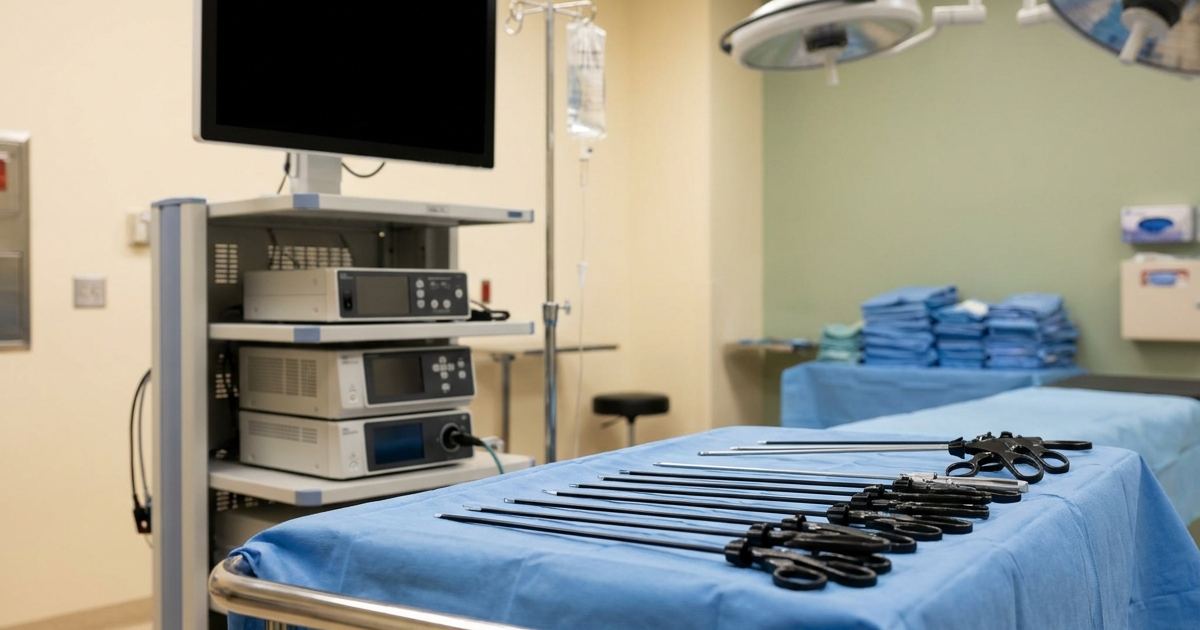
Many strictureplasties are now performed laparoscopically or with robotic assistance, which can shorten hospital stays and reduce wound complications compared to traditional open surgery (5).
Recovery and What to Expect After Surgery
Knowing what recovery looks like can ease some of the anxiety that comes with planning for any surgical procedure. If you are preparing for a hospital stay, our surgery preparation and hospitalization tips cover the practical side of packing, questions to ask, and what to expect on the ward.
Hospital Stay and Early Recovery
Operative time for strictureplasty typically runs 2 to 6 hours, depending on the number of strictures being addressed and whether the approach is open or minimally invasive (5). Most patients stay in the hospital for about one week, though longer stays occur if complications develop (5).
The overall complication rate is approximately 13%, with a sepsis rate near 4% (5). The most common postoperative issues include ileus (temporary slowing of bowel function), wound infection, and suture-line leak. While these numbers are worth knowing, the majority of patients recover without major complications.
Diet, Return to Medications, and Follow-Up
After surgery, you will begin with clear liquids and advance your diet as tolerated. Your medical team will discuss when to restart or switch biologic therapy - resuming medication after recovery is an important part of reducing the risk of disease recurrence, as we discuss in detail in our postoperative recurrence prevention guide.
Outpatient follow-up usually includes a return visit at 6 to 12 months with imaging or colonoscopy to check the strictureplasty sites. Ongoing monitoring is essential because recurrence at or near the repaired sites does happen - which brings us to the long-term data.
Outcomes and Long-Term Recurrence: What the Trials Show
One of the most important questions patients ask about strictureplasty is: how long does it last? The honest answer is that recurrence is real, but the trade-off of preserving bowel length is the entire point of the operation.
Long-Term Recurrence Data
In a multicenter cohort of 266 patients who underwent a total of 718 strictureplasties, Rottoli and colleagues found that site-specific recurrence was 12.2% at 5 years and 25.7% at 10 years (1). The terminal ileum showed the highest recurrence rate - about 30.9% at 10 years (1). Independent risk factors for recurrence included the use of nonconventional strictureplasty techniques and performing strictureplasty on a previous surgical anastomosis (1).
A 2025 multicenter audit from the UK and Italy by Nasasra and colleagues, following 123 strictureplasty patients over 15 years, confirmed that recurrence remains substantial even in the modern era of biologic therapy (3). This is an important finding: even with today's best medications, strictureplasty is not a permanent fix.
Strictureplasty Versus Bowel Resection
A 2020 systematic review and meta-analysis by Butt and colleagues, covering 12 studies and 1,026 Crohn's patients, found that strictureplasty was associated with higher disease recurrence than bowel resection (odds ratio 1.61, 95% confidence interval 1.03 to 2.52) (2). However - and this is the crucial detail - there was no difference in surgical complication rates between the two approaches (2).
The takeaway is straightforward: strictureplasty does not lower your recurrence risk compared to resection, but it conserves bowel length. For patients who have already lost intestine to prior surgeries or who face the prospect of multiple future operations, that conservation is exactly the point. According to the Crohn's and Colitis Foundation, the primary advantage of strictureplasty is preserving as much intestine as possible for long-term nutritional health (6).
Questions to Ask Your Surgeon Before Strictureplasty
Being an informed patient means knowing what to ask. Here are questions worth raising at your preoperative appointment:
- How many strictures do I have, and where are they located?
- Am I a candidate for strictureplasty, resection, or a combination of both?
- Which strictureplasty technique do you plan to use, and why that one?
- Is a laparoscopic or robotic approach an option for me?
- What will my postoperative medication plan look like, and when will I restart biologics?
- How will we monitor for recurrence, and at what intervals?
- What is your center's complication rate and reoperation rate for strictureplasty?
Your surgeon should be able to answer these questions with data specific to their practice. If they cannot, or if you feel uncertain, seeking a second opinion from a colorectal surgeon experienced in IBD is always a reasonable step.
Frequently Asked Questions
Is strictureplasty safer than bowel resection?
The complication rates are similar. A meta-analysis of 12 studies and 1,026 patients found no significant difference in surgical morbidity between strictureplasty and bowel resection (2). The main advantage of strictureplasty is not fewer complications - it is preserving bowel length for patients who may need future surgeries.
How long does a strictureplasty last before Crohn's comes back?
Recurrence varies by location and technique. In a 266-patient study, site-specific recurrence was 12.2% at 5 years and 25.7% at 10 years, with the terminal ileum showing the highest recurrence rate at about 30.9% at 10 years (1). Postoperative biologic therapy can help lower that risk.
Can multiple strictures be treated with strictureplasty in one operation?
Yes. Surgeons frequently perform multiple strictureplasties during a single operation. In the Rottoli multicenter cohort, 266 patients received a total of 718 strictureplasties - an average of nearly three per patient (1). The operative time increases with the number of strictures but the approach is well-established.
Is strictureplasty done laparoscopically?
Many strictureplasties are now performed laparoscopically or with robotic assistance, which can reduce hospital stay and wound complications compared to open surgery (5). However, the approach depends on the number and location of strictures and your surgeon's experience. Not every case is suitable for minimally invasive technique.
Will I need to take medications after strictureplasty?
Most patients restart or switch biologic therapy after recovery to reduce the risk of disease and surgical recurrence. The specific medication plan depends on your disease history, what you were taking before surgery, and your gastroenterologist's assessment. Starting or optimizing biologics postoperatively is considered a key part of long-term management.
Does insurance cover strictureplasty?
Strictureplasty is a medically necessary surgical procedure for Crohn's disease and is generally covered by health insurance in countries with insurance-based systems. Coverage specifics, out-of-pocket costs, and prior authorization requirements vary by plan and by country. Contact your insurance provider or hospital financial services department before scheduling surgery.
What is the difference between strictureplasty and endoscopic balloon dilation?
Endoscopic balloon dilation stretches a stricture open using an inflatable balloon passed through an endoscope - no incision is needed. It works best for short, accessible strictures. Strictureplasty is a surgical procedure performed under general anesthesia that can address longer, more complex, or multiple strictures that endoscopy cannot reach. Your gastroenterologist and surgeon together will determine which approach fits your situation.
References
- Rottoli M, et al. Strictureplasty for Crohn's disease of the small bowel in the biologic era: long-term outcomes and risk factors for recurrence. Techniques in Coloproctology, 2020. Read study
- Butt WT, et al. Strictureplasty versus bowel resection for the surgical management of fibrostenotic Crohn's disease: a systematic review and meta-analysis. International Journal of Colorectal Disease, 2020. Read study
- Nasasra A, et al. Recurrence rates after strictureplasty for small bowel Crohn's disease remain high in the era of biologics. Colorectal Disease, 2025. Read study
- Strictureplasty (review of techniques and indications for Crohn's strictureplasty). PMC, 2009. Read article
- Cleveland Clinic. Strictureplasty: Types, Surgery, Recovery and Complications. Last reviewed April 17, 2024. Read article
- Crohn's and Colitis Foundation. Surgery for Crohn's Disease. 2024. Read article
Recommended Resources
Browse ResourcesRelated Articles

The Role of Surgery in Crohn's Disease Management: When and Why It's Needed
Learn about the role of surgery in managing Crohn's disease, including when it's necessary, the types of surgeries available, and what patients can expect.

What's the Connection Between Gum Disease and IBD - Inflammatory Bowel Diseases?
Discover the surprising link between gum disease and IBD (Inflammatory Bowel Diseases). Uncover the complex connection and potential treatment approaches.

Short Bowel Syndrome in Crohn's Disease: Diet and Fluids
Short bowel syndrome in Crohn's disease changes how you eat and drink. What guidelines say about sodium, fluids, fat, fiber and supplements after surgery.

Sleep and IBD: Why Quality Rest Matters for Bowel Health
Struggling with IBD? Discover how sleep could be your secret weapon. Learn why rest matters for IBD and get 5 easy tips for better sleep tonight. Ready to transform your health?

Can Exercise Help Manage Inflammatory Bowel Disease (IBD) Symptoms?
Discover the benefits of exercise for IBD patients. Learn how physical activity can improve quality of life, reduce inflammation, and manage symptoms.

Nutrition and Inflammatory Bowel Diseases (IBD)
Discover the power of nutrition in managing Inflammatory Bowel Diseases (IBD). Learn how to nourish your body for balance and tranquility.