
Protein Intake With Crohn's Disease: How Much You Need

This article is for informational purposes only and does not constitute medical advice. Always consult your healthcare provider before making any changes to your treatment plan.
If you have been told to "eat more protein" without being given an actual number, you are not alone. Protein intake with Crohn's disease is one of the few areas of IBD nutrition where the guidelines give concrete targets, and they differ depending on whether you are in a flare or in remission. This guide starts with those numbers and is honest about how strong the evidence behind them actually is.
Key Takeaways
- Guideline targets for protein intake with Crohn's disease are 1.2 to 1.5 g/kg per day during active IBD and about 1 g/kg/day in remission, per the 2023 ESPEN guideline (1)
- Both targets are graded GPP, meaning good practice point based on expert consensus rather than large randomised trials (1)
- For a 70 kg adult that is roughly 70 g a day in remission and 84 to 105 g a day in a flare
- Among 493 IBD patients studied, 86.7 percent of those with active disease were below 1.2 g/kg and 38.6 percent in remission were below 0.8 g/kg (3)
- A low serum albumin is not a protein scorecard: the 2024 AGA update says serum proteins are no longer recommended for diagnosing malnutrition because they track inflammation (5)
- The FACES randomised trial found that cutting red and processed meat did not reduce Crohn's relapse rates over 49 weeks (4)
How Much Protein Do You Actually Need With Crohn's?
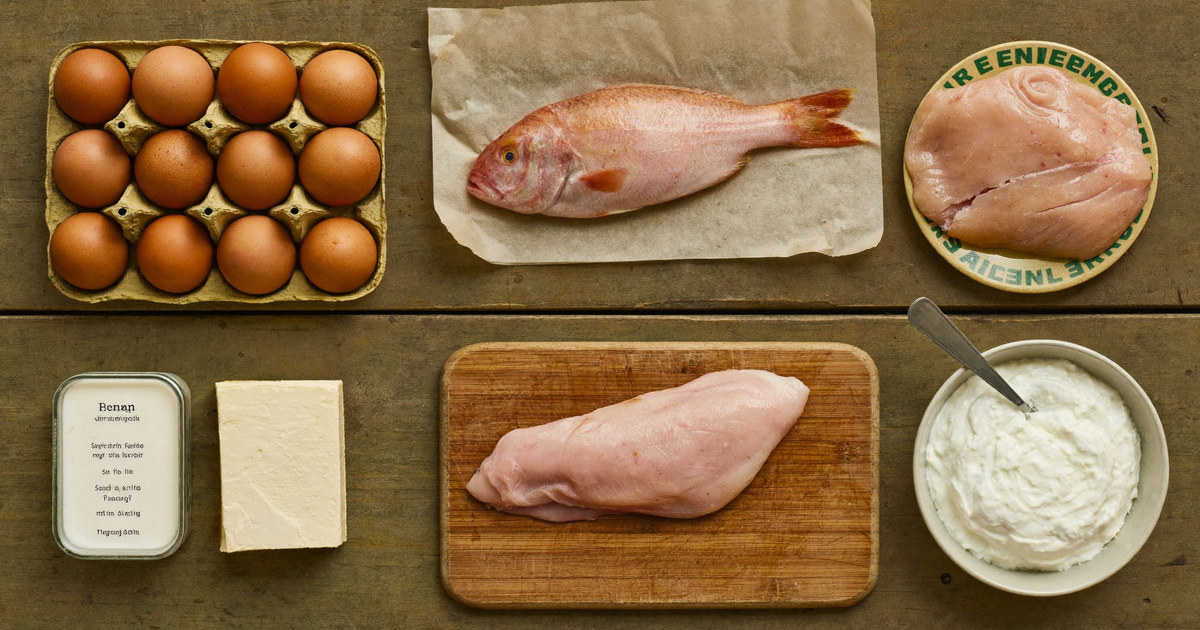
The European Society for Clinical Nutrition and Metabolism (ESPEN) gives two separate targets. During active disease, Recommendation 7 of the 2023 guideline advises increasing intake to 1.2 to 1.5 g per kilogram of body weight per day, above the general population. In remission, Recommendation 8 states that requirements are generally not elevated and intake should be similar to everyone else, around 1 g/kg/day (1).
Both carry a grade of GPP, or good practice point. That means strong expert consensus, 96 percent agreement for the flare target and 100 percent for the remission target, rather than results from large randomised trials comparing protein doses in Crohn's (1). They are the best available guidance, not proven doses.
Active Disease vs Remission
Moving from 1 g/kg to 1.5 g/kg means adding roughly half again as much protein, at exactly the point when a flare has made eating least appealing. That tension is why the "how" matters as much as the number. The same figures appear in the earlier ESPEN practical guideline as Recommendations 5A and 5B, with identical wording and thresholds (2), so these targets have been stable across versions.
Working Out Your Own Number
The arithmetic is simple multiplication once you know your weight in kilograms.
- A 60 kg adult: about 60 g/day in remission, 72 to 90 g/day in a flare
- A 70 kg adult: about 70 g/day in remission, 84 to 105 g/day in a flare
- An 85 kg adult: about 85 g/day in remission, 102 to 128 g/day in a flare
If you think in pounds, divide by 2.2 first. A 154 lb person is 70 kg.
One caveat: the guideline does not specify which body weight to use, and that matters if you are underweight, carrying significant fluid, or living with obesity. Your IBD team or a dietitian can tell you whether to use your current weight, an adjusted weight, or an ideal body weight. Ask directly rather than guessing.
Why Crohn's Raises Protein Needs During a Flare
ESPEN explains the higher flare target as a response to the proteolytic, catabolic state of active inflammation, meaning the body breaks protein down faster than usual. Notably, the guideline frames this as a consequence of inflammation itself rather than of malabsorption alone, which is the explanation most patients are given (1).
Inflammation and Protein Turnover
During active inflammation, amino acids are diverted toward the immune response, and skeletal muscle becomes the donor. This is why someone can be absorbing food reasonably well and still slip into a deficit: the demand side has changed, not just the supply side. The guideline also notes that corticosteroids increase the net loss of protein in both children and adults with Crohn's disease (1).
Steroids and Muscle
Over time this shows up as lost lean mass. A significant percentage of people with IBD lose muscle, and patients with Crohn's are more prone to it. ESPEN also flags sarcopenic obesity, where muscle is lost while fat mass stays the same or rises, as a newer challenge in IBD care (1), so a normal number on the scale does not rule out muscle loss. As we explored in our article on sarcopenia in Crohn's disease, that loss affects hospitalisation risk and surgical recovery.
What the guideline singles out as the main obstacle is not digestion at all. Poor appetite, food fear and self-imposed restriction are named as the reasons intake falls short, more than any defect in absorption (1). In our community we have seen how quickly one bad experience shrinks the list of safe foods, and how often protein sources are cut first.
Most Patients Are Not Hitting the Target
A Dutch case-control study compared habitual intake in 493 IBD patients, 286 with Crohn's disease and 207 with ulcerative colitis, against 1291 population controls using a food frequency questionnaire (3).
Among patients in remission, 38.6 percent were below 0.8 g/kg. Among those with active disease, 86.7 percent were below 1.2 g/kg (3). The overwhelming majority of people in a flare, the group whose requirements are highest, were not close to target. The authors' conclusion is worth carrying into your next appointment: special attention is needed for protein intake in the treatment of these patients (3).
This is not a scare statistic but a structural problem. The people most likely to fall short are the ones who feel least like eating, often while dealing with urgency, pain and fatigue. That responds far better to practical workarounds than to willpower.
Where to Get Protein When Eating Is Hard
The 2024 AGA Clinical Practice Update advises a Mediterranean-style pattern rich in lean proteins and low in ultra-processed foods for general health, while stating plainly that no diet has consistently been found to decrease flare rates in adults with IBD (5). Eating well supports your nutritional status, but it is not a substitute for medical therapy.
Food First
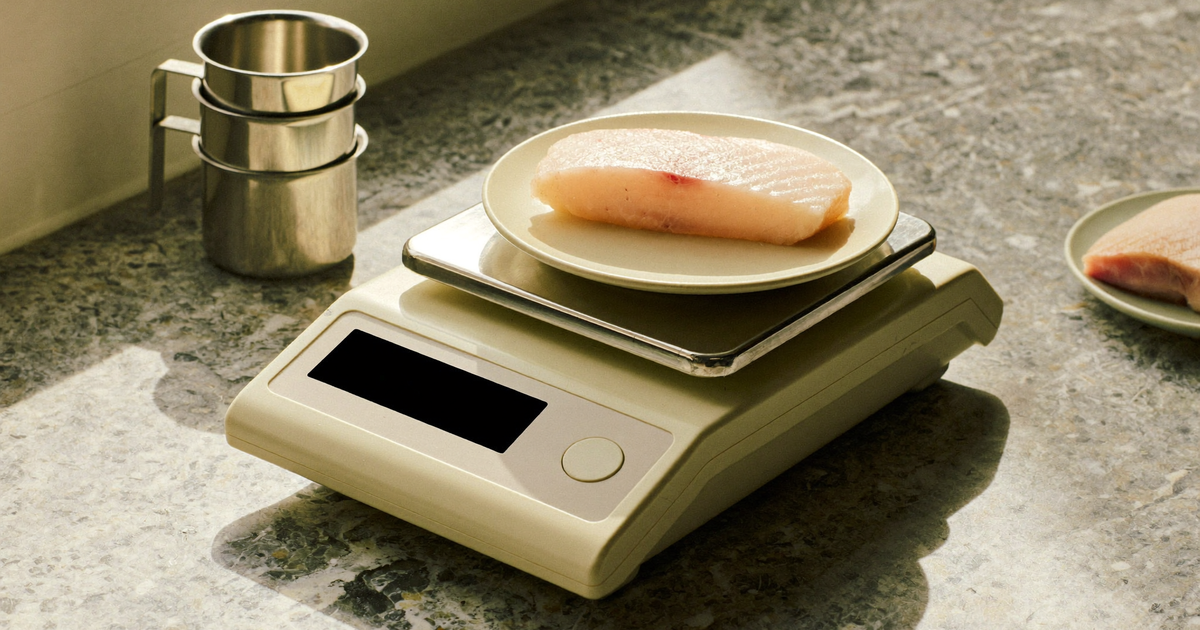
When volume is the limiting factor, protein density matters more than variety. Options many patients tolerate in small portions include:
- Eggs, cooked however suits you best
- Fish, including tinned options that need no preparation
- Chicken or turkey, poached or slow cooked so the texture stays soft
- Smooth yoghurt, skyr or kefir, if dairy sits well with you
- Tofu, which is soft, low residue and absorbs flavour
- Blended legume soups, where cooking reduces the fibre load
- Nut butters stirred into other foods
For the broader pattern these fit into, see our guide to the Mediterranean diet for Crohn's disease.
Liquid and Supplemental Protein
Drinking protein is often easier than chewing it during a flare. Oral nutritional supplement drinks exist for this situation, sometimes on prescription, though coverage varies a great deal between countries. Exclusive enteral nutrition and partial enteral nutrition are the formal medical versions of liquid protein and calories, and we cover both in our article on exclusive enteral nutrition for Crohn's disease.
Strictures and Texture
If you have a symptomatic stricture, texture is a safety issue rather than a comfort one. The AGA update advises careful chewing, and cooking or processing plant foods to a soft, less fibrous consistency (5). That usually means peeled, well cooked, blended or pureed, and it warrants individual guidance from your IBD team.
Protein is also only one part of nutritional status, alongside iron, vitamin B12 and vitamin D, which we cover in our overview of micronutrient deficiencies in Crohn's disease.
Does Red and Processed Meat Make Crohn's Worse?
Many patients cut red meat assuming it drives flares. The FACES randomised trial tested that directly, enrolling 214 adults with Crohn's in remission and assigning them either to at least 2 servings of red or processed meat per week (118 participants) or to no more than 1 serving per month (96 participants), for 49 weeks (4).
Adherence in the high-meat arm was good, at 98.5 percent of observed weeks, so the trial genuinely tested what it set out to. The primary outcome was symptomatic relapse, and there was no significant difference between groups in time to any relapse or to moderate or severe relapse (4). The AGA update summarises the position this way: a diet low in red and processed meat may reduce ulcerative colitis flares, but has not been found to reduce relapse in Crohn's disease (5).
This is not a licence to eat unlimited processed meat. The trial measured flare timing over 49 weeks in people already in remission, not long-term cardiovascular or cancer risk. What it does mean is that if you have been avoiding meat purely out of fear of triggering a flare, the evidence does not support that specific fear.
Tracking Protein Status and What to Ask Your Team
Why Albumin Is Not a Protein Scorecard
Plenty of patients have been handed a low albumin result and told it means they are not eating enough protein. The 2024 AGA update is direct about this: serum proteins are no longer recommended for identifying and diagnosing malnutrition, because they lack specificity for nutritional status and are highly sensitive to inflammation (5).
A low albumin during a flare usually reflects active inflammation rather than your dinner plate. It is still a useful clinical number, just not the one that tells you whether your protein intake is adequate. What the update does recommend is that all patients with IBD be screened regularly for malnutrition using signs and symptoms, including unintended weight loss, fluid retention, and loss of fat and muscle mass, with a dietitian carrying out the fuller assessment (5).
Questions for Your Appointment
- What is my protein target in grams per day, using which body weight?
- Can I be referred to an IBD dietitian?
- Do I need oral nutritional supplements, and are they covered where I live?
- Should my kidney function be checked before I increase protein?
- Am I being screened for malnutrition and muscle loss, and how?
The fourth question matters most if you have existing kidney disease, where higher intakes need individual assessment rather than a general target.
Putting Your Protein Intake Target Into Practice
Take a number from the guidelines rather than a food list. Work out roughly 1 g/kg for remission and 1.2 to 1.5 g/kg for a flare, check that figure with your team, then focus on protein-dense, easy-to-tolerate options instead of eliminating foods. Given that 86.7 percent of patients with active disease fall short (3), hitting the target is less about discipline than about having a plan for the hardest days. Protein will not put your Crohn's into remission (5), but it does support your muscle mass and your recovery.
Frequently Asked Questions
How much protein do I need per day with Crohn's disease?
ESPEN recommends about 1 g per kilogram of body weight daily in remission, and 1.2 to 1.5 g/kg/day during active disease (1). For a 70 kg adult that is roughly 70 g a day in remission and 84 to 105 g in a flare. Both targets are expert consensus, so confirm your number with your IBD team.
Does a low albumin level mean I am not eating enough protein?
Usually not. The 2024 AGA update states that serum proteins are no longer recommended for diagnosing malnutrition, because they lack specificity and are highly sensitive to inflammation (5). A low albumin during a flare more often reflects active inflammation than low intake, so it is not a measure of your diet.
Can I eat red meat if I have Crohn's disease?
The FACES trial followed 214 adults with Crohn's in remission for 49 weeks and found no significant difference in time to relapse between a high and a low red and processed meat diet (4). The AGA update notes that low intake may help in ulcerative colitis but not in Crohn's (5). The trial did not assess long-term cardiovascular or cancer risk.
Do protein powders help with Crohn's disease?
No trial has shown that a branded protein powder improves Crohn's outcomes, and some commercial powders contain emulsifiers, polyols or artificial sweeteners that other areas of IBD research advise caution about. Oral nutritional supplement drinks designed for clinical use are a different category, and your team can recommend a suitable formulation.
Why do protein needs go up during a flare?
ESPEN attributes the higher target to the proteolytic, catabolic state of active inflammation, meaning the body breaks protein down faster when disease is active, rather than to malabsorption alone (1). Corticosteroids also increase net protein loss in children and adults with Crohn's (1), raising needs further.
What should I eat for protein when I have no appetite?
Protein-dense options in small volumes work best: eggs, tinned or fresh fish, poached chicken, smooth yoghurt or kefir if dairy is tolerated, tofu, and blended legume soups. Liquid protein is often easier than solid food. With a symptomatic stricture, the AGA update advises soft, well cooked textures and careful chewing (5).
Is a high protein diet safe for everyone with Crohn's?
For most adults the ESPEN targets are a reasonable ceiling rather than a megadose, but kidney function is the main consideration. If you have known kidney disease, ask your team to check it before increasing protein. Access to dietitians and supplements also varies widely between countries.
References
- Bischoff SC, et al. ESPEN guideline on Clinical Nutrition in inflammatory bowel disease. Clinical Nutrition, 2023;42(3):352-379. Read guideline
- Bischoff SC, et al. ESPEN practical guideline: Clinical Nutrition in inflammatory bowel disease. Clinical Nutrition, 2020;39(3):632-653. Read guideline
- Peters V, et al. Habitual dietary intake of IBD patients differs from population controls: a case-control study. European Journal of Nutrition, 2021;60(1):345-356. Read study
- Albenberg L, et al. A Diet Low in Red and Processed Meat Does Not Reduce Rate of Crohn's Disease Flares (FACES trial). Gastroenterology, 2019;157(1):128-136.e5. Read study
- Hashash JG, et al. AGA Clinical Practice Update on Diet and Nutritional Therapies in Patients With Inflammatory Bowel Disease: Expert Review. Gastroenterology, 2024;166(3):521-532. View on PubMed
Recommended Resources
Browse ResourcesRelated Articles

Vaccines for Crohn's Disease: What Patients Need to Know
Vaccines for Crohn's disease patients matter most before you start biologics. Learn which shots are safe, which ones to avoid, and how to time them right.

Aging with Crohn's Disease: What Older Patients Need to Know
Aging with Crohn's disease brings unique challenges. Learn how older adults navigate IBD treatment, comorbidities, and a better quality of life after 60.

Crohn's Disease and Sexual Health: What Patients Need to Know
Up to 58% of Crohn's patients experience sexual dysfunction. Learn how IBD affects intimacy and discover practical, evidence-based tips for your sex life.

Crohn’s Disease and Fertility: What You Need to Know
Discover how Crohn's disease and its treatments impact fertility in both men and women, and learn tips for planning a family while managing the disease.

IgG Food Sensitivity Tests for Crohn's: Do They Work?
Is an IgG food sensitivity test worth it for Crohn's? What the sham-controlled trial found, why allergy societies reject the panels, and what to do instead.

Low-Fiber Diet for Crohn's Disease: Who Actually Needs It
A low fiber diet for Crohn's disease has a real but narrow role. Research links routine fiber avoidance to more flares, not fewer. Here is the evidence.